Myopia Control and Pediatric Vision Care

Our Advanced Retina Clinic specializes in the diagnosis, treatment, and management of complex retinal conditions.

Led by fellowship-trained pediatric ophthalmologists and optometrists experienced in myopia management, we provide child-friendly, evidence-based care to protect and optimize vision during critical developmental years. Myopia occurs when the eyeball grows too long (axial elongation), causing distant objects to appear blurry. While glasses or contacts correct vision, progressive myopia increases risks of future complications like retinal detachment, glaucoma, and myopic maculopathy. Early intervention can slow progression by 30-70% in many cases, reducing lifelong risks.

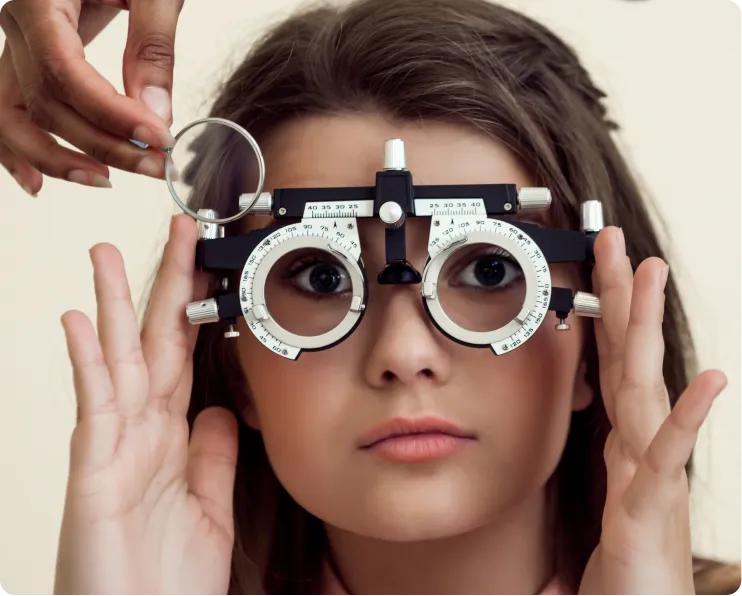
We use advanced diagnostics, including axial length measurement, corneal topography, binocular vision assessment, and cycloplegic refraction, to accurately monitor progression and customize treatment plans.lakelinevision.com

Common Retinal Conditions We Treat

Myopia (Nearsightedness)

Increasing prevalence in children due to genetics, near work, and limited outdoor time.

Amblyopia (Lazy Eye)

Reduced vision in one eye from improper development; treatable with patching or atropine drops.

Strabismus (Eye Misalignment)

Crossed or wandering eyes affecting binocular vision.

Convergence Insufficiency

Difficulty focusing on near tasks, causing headaches or reading issues.

Refractive Errors

Hyperopia (farsightedness) and astigmatism.

Other pediatric issues

Congenital cataracts, retinopathy of prematurity follow-up, and learning-related vision problems.mieye.com

Advanced Treatments and Technologies

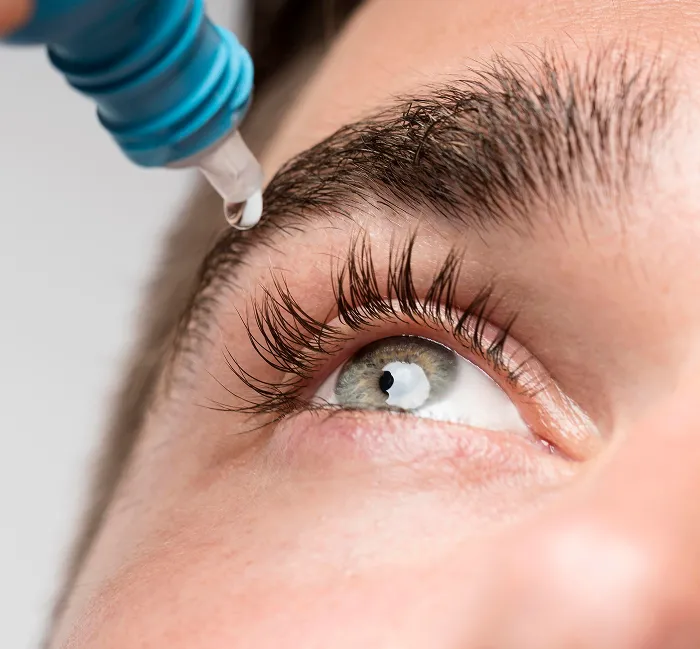
Low-Dose Atropine Eye Drops
Proven to slow myopia progression with minimal side effects.
Overnight rigid contact lenses that temporarily reshape the cornea for clear daytime vision without glasses.
FDA-approved options like MiSight daily disposables.
Defocus-incorporated designs (e.g., DIMS or peripheral defocus lenses) to signal slower eye growth.
Exercises for binocular vision disorders.
Encouraging outdoor time, reduced screen exposure, and proper ergonomics.

Symptoms to Watch For

Seek evaluation if your child experiences:

Children should have their first comprehensive eye exam by age 3-5, or sooner if risk factors (family history of high myopia, premature birth) are present. Annual monitoring is key for myopia management. Our team creates a welcoming environment for young patients, using age-appropriate testing and involving families in decisions.

We emphasize prevention through healthy visual habits

Our Doctors

No doctors available for this clinics.

Schedule an appointment today to safeguard your child’s vision for the future.

Our appointment specialists are ready to help you find what you need. Contact us today.