Corneal and External Diseases
We offer state-of-the-art cataract and refractive procedures, including advanced lens implants and LASIK, to restore clear vision and reduce dependence on glasses or contact lenses.
- Cataracts
- Fuchs’ Dystrophy
- Corneal Dystrophy
- Keratoconus
- Corneal Edema
- Ocular Surface Disease
- Corneal Infectious Diseases
- Pediatric Cornea Disorders
- Corneal Ulcers (Keratitis)
- Conjunctivitis (Pink Eye)
- Corneal Transplant Surgery
- Pterygium
- Dry Eye
- Refractive Errors

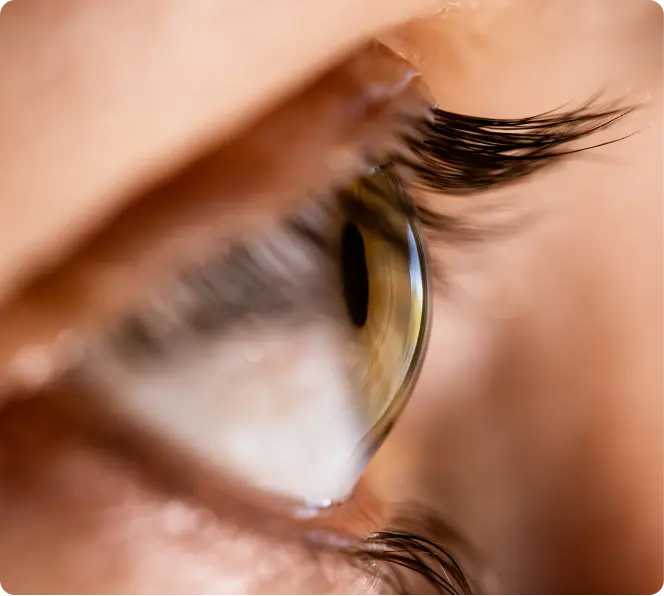
The cornea is the transparent, dome-shaped outer layer of the eye that covers the iris and pupil. It consists of five layers: epithelium, Bowman’s layer, stroma, Descemet’s membrane, and endothelium. Unlike most tissues, the cornea has no blood vessels, relying on tears and the aqueous humor for nourishment and protection against infection.
The cornea serves two main functions:
1. Protection: Along with the eyelids, sclera, and tear film, the cornea shields the eye from dust, germs, and other harmful matter.
2. Vision: The cornea refracts (bends) incoming light onto the lens, which focuses it onto the retina, allowing clear vision. Any clouding or irregularity in the cornea can blur the image projected onto the retina.
Trauma: Blunt injuries, lacerations, and foreign bodies can cause corneal scarring.
Hereditary Conditions: Degenerations and dystrophies, such as keratoconus, may alter corneal shape and cause high astigmatism.
Post-Surgical Changes: Occasionally, corneal edema may occur after cataract surgery, though advanced techniques and lens designs have reduced this risk.
- Chemical or thermal injuries
- Infections or inflammation
- Pathological conditions such as Stevens-Johnson syndrome or pemphigoid
- Abnormal tissue growths, including pterygium or tumors
- Neurotrophic disorders affecting eye sensation
- Rare hereditary conditions like aniridia (absence of the iris)
- Damage to the cornea can lead to scarring, abnormal blood vessel growth, and vision loss if untreated.

FAQ
What are corneal diseases, and what causes them?
How are external eye diseases like blepharitis treated?
Can corneal transplants fix severe damage?
What role do contact lenses play in treating corneal issues?
How can I prevent corneal and external eye problems?

Questions? We’re here to help.
Our appointment specialists are ready to help you find what you need. Contact us today.