Ocular Surface Disease of the Eye
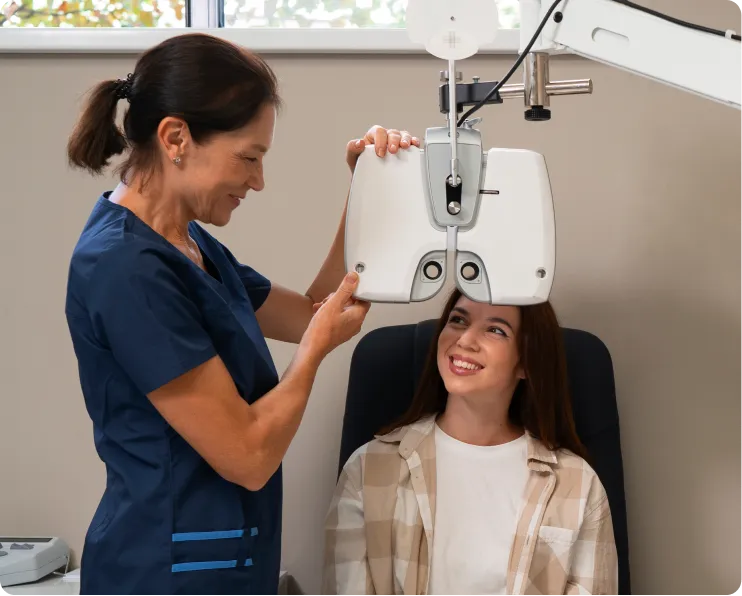
Our faculty specializes in the diagnosis, treatment, and management of associated complex conditions.
Ocular surface disease represents a spectrum of disorders that affect the surface of the eyes. Dry eye syndrome is one of the most common ocular surface diseases.
Led by experienced corneal and ocular surface specialists, we offer comprehensive, personalized care to relieve discomfort, protect vision, and improve quality of life. Ocular Surface disease is common in the UAE and is often a chronic condition in which the eyes do not produce enough tears, or the tears evaporate too quickly, leading to inflammation and potential damage to the eye’s surface. While there is no cure, most cases can be effectively managed with early intervention and advanced therapies.
We use advanced diagnostic tools, including tear osmolarity testing, meibomian gland imaging, tear film analysis, and inflammatory marker assessments, to identify underlying causes and develop a tailored treatment plan.
Common Conditions We Treat
Dry Eye Syndrome (Keratoconjunctivitis Sicca)
Meibomian Gland Dysfunction (MGD)
Blepharitis and Ocular Rosacea
Sjogren's Syndrome-Related Dry Eye
Graft-vs-Host Disease and Other Autoimmune Disorders
Systemic conditions affecting tear production.
Stevens-Johnson Syndrome and Ocular Cicatricial Pemphigoid
Other issues
Post-surgical dry eye, allergic conjunctivitis, and environmental or medication-induced dryness.
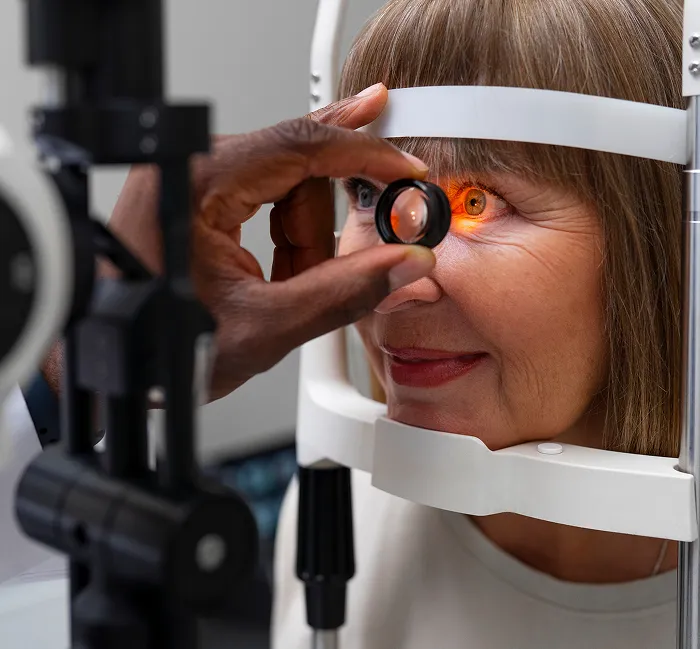
Advanced Treatments and Technologies
Artificial Tears and Lubricants
Anti-Inflammatory Therapies
Meibomian Gland Treatments
Punctal Plugs
Autologous Serum Tears or Amniotic Membrane Therapy
Specialty Contact Lenses
Symptoms to Watch For
- Persistent dryness, grittiness, or foreign body sensation
- Burning, stinging, or redness
- Blurred or fluctuating vision
- Excessive tearing (paradoxical watering due to irritation)
- Sensitivity to light or wind
- Eye fatigue, especially with screen use
Risk factors include age, female gender, autoimmune diseases, certain medications, prolonged screen time, and environmental factors like dry air or smoke. Regular exams are essential for those with systemic conditions like diabetes or rheumatoid arthritis.
Our multidisciplinary team provides compassionate, evidence-based care, including lifestyle guidance (e.g., omega-3 supplements, humidifiers, blink exercises, and protective eyewear).

Our Doctors
No doctors available for this clinics.

Schedule an appointment today to find relief and preserve your ocular health.
Our appointment specialists are ready to help you find what you need. Contact us today.