Neuro-Ophthalmology
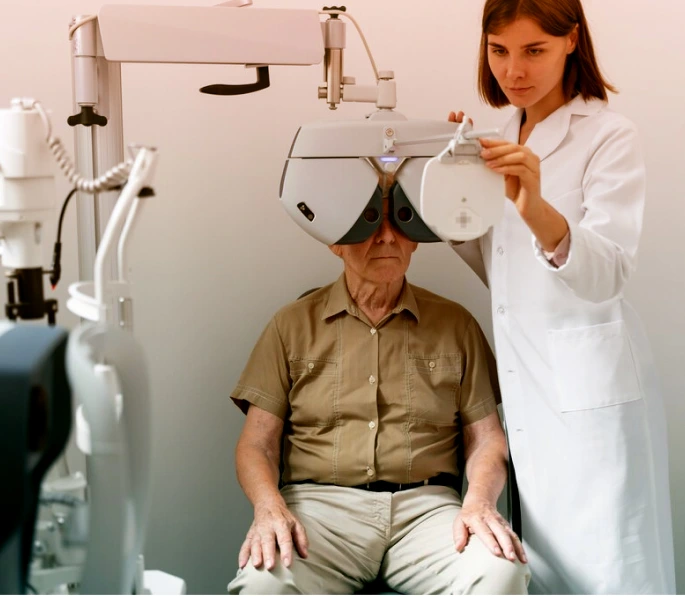
At Bascom Palmer Eye Institute, part of the University of Miami Health System, our specialists bring advanced expertise in conditions that affect both the brain and vision.
What is Neuro-Ophthalmology?
Neuro-ophthalmology is a subspecialty of ophthalmology focused on the connection between the eyes and the brain. It involves the diagnosis and treatment of disorders that affect the optic nerve (the nerve that transmits visual signals from the eye to the brain), the orbit (eye socket), and the central nervous system.
Comprehensive Care for Complex Conditions
Our ophthalmologists provide complete clinical care for patients with vision problems caused by:
- Inherited retinal diseases
- Optic nerve disorders
- Central nervous system conditions
- Eye movement and alignment problems (ocular motility dysfunction)
- Pupillary abnormalities
In addition, our Mark J. Daily Inherited Retinal Diseases Research Center is at the forefront of groundbreaking research. Our vision scientists are developing promising new treatments for inherited retinal diseases (IRDs), many of which are approaching human clinical trials. These advances may soon help identify complex eye conditions more quickly and could one day slow, stop, or even cure vision loss.
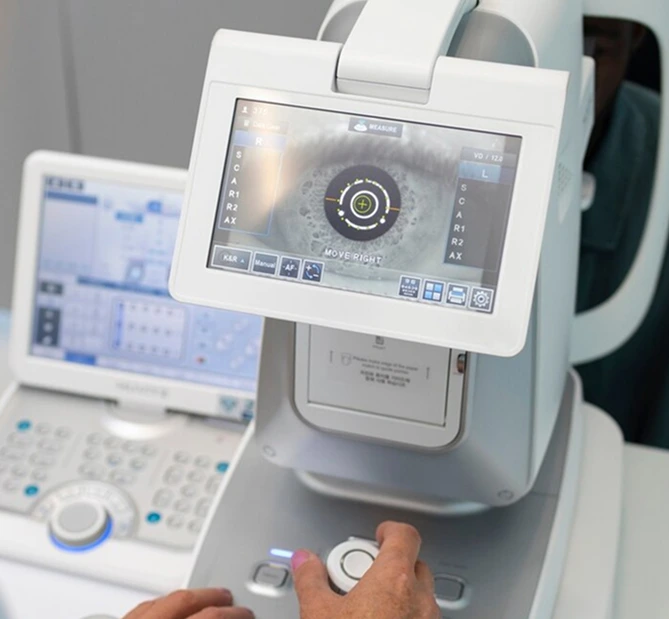
Conditions We Treat
We provide expert care for a wide range of neuro-ophthalmic conditions, including:
- Anterior Ischemic Optic Neuropathy
- Blepharospasm
- Brain and Cerebrovascular Disorders affecting vision
- Compressive Optic Neuropathy
- Cranial Nerve Palsy & Ocular Motor Disorders
- Giant Cell Arteritis
- Hemifacial Spasm
- Hereditary Optic Neuropathies
- Idiopathic Intracranial Hypertension
- Inflammatory & Infectious Optic Neuropathies
- Myasthenia Gravis
- Nutritional & Toxic Optic Neuropathies
- Optic Neuritis
- Papilledema
- Paraneoplastic Disorders
- Pediatric Neuro-ophthalmology
- Pupillary Abnormalities
- Tumors affecting vision
- Visual Electrophysiology
Why Choose Bascom Palmer Eye Institute?
Visual Electrophysiology
- Recognized by U.S. News & World Report as the nation’s top eye hospital, Bascom Palmer offers world-class treatment for eye diseases in a compassionate setting.
Academic Excellence & Innovation
- As part of a leading academic health system, our team combines the latest technology, advanced research, and personalized care to ensure the best outcomes for every patient.
FAQ
What does neuro-ophthalmology deal with?
What are common symptoms that lead to a neuro-ophthalmologist?
How is a neuro-ophthalmic condition diagnosed?
What treatments are available for neuro-ophthalmic problems?
Can neuro-ophthalmology issues be prevented?
Our Doctors
No doctors available for this speciality.

Questions? We’re here to help.
Our appointment specialists are ready to help you find what you need. Contact us today.