Nutritional and ToxicOptic Neuropathies
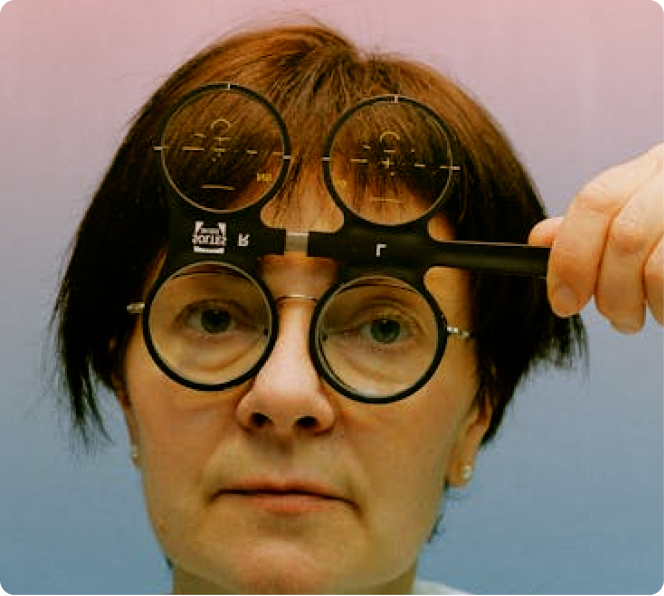
Nutritional and toxic optic neuropathies are conditions that cause vision loss due to damage of the optic nerve—the nerve that carries visual signals from the eyes to the brain.
- Nutritional optic neuropathy may develop from poor diet, vitamin deficiencies (especially vitamins B1 and B12), alcohol abuse, smoking, or problems with nutrient absorption.
- Toxic optic neuropathy occurs when certain medications or substances harm the optic nerve.
Some medications known to cause optic nerve damage include:
- Amiodarone – used for irregular heart rhythms; may cause sudden vision loss.
- Ethambutol – used to treat lung infections; can cause gradual vision loss.
- Tacrolimus – used for immunosuppression; may also lead to progressive vision loss.
Tests and Diagnosis
To confirm a diagnosis and assess the extent of damage, your doctor may recommend:
Comprehensive eye exam: Includes a full health history and dilated eye exam to check for pupillary abnormalities.
Blood tests: Identify vitamin deficiencies or other underlying health issues.
Visual field testing:
Measures central and peripheral vision.
Optical coherence tomography (OCT):
Evaluates the thickness of the optic nerve layers to detect damage.
Optic nerve photography:
Documents and monitors optic nerve swelling.
Treatments
Treatment depends on the underlying cause and may include:
- Nutritional supplementation: Intramuscular or oral vitamin therapy to correct deficiencies.
- Medication adjustment: Discontinuing or replacing drugs linked to toxic optic neuropathy (under medical supervision).
- Lifestyle changes: Stopping alcohol consumption and smoking to prevent further nerve damage.
Why Choose Bascom Palmer Eye Institute?
#1 in the Nation
- Recognized by U.S. News & World Report as the country’s leading center for eye care, Bascom Palmer Eye Institute delivers world-class treatment in a compassionate environment.
Comprehensive Support
- Coping with vision loss can be challenging. Our dedicated team provides not only advanced medical care but also the support and resources you and your family need—every step of the way.
FAQ
How does nutrition directly influence eye health and vision?
Nutrients like lutein/zeaxanthin (spinach’s carotenoids) shield macula from blue-light barrage, vitamin A (carrots) fuels rods for night sight—deficits spark xerophthalmia or nyctalopia, reversible with greens. Omega-3s (salmon) curb dry eye inflammation; it’s fuel for the eye’s engine, warding age-related woes.
What toxic exposures most threaten the eyes, and how?
Methanol (adulterated booze) poisons optic nerves with formic acid blur, ethambutol (TB med) swells them—chronic solvents or lead erode peripheries. Like rust on wires, they corrode conduits; acute hits fast, insidious build slow.
How are nutrition deficiencies or toxicities tested for eye impact?
Serum levels (retinol low flags A deficit), visual fields probe toxic scotomas, ERG quantifies rod hits—OCT spots nerve atrophy. Holistic: diet diaries plus labs link plate to pupil.
What dietary and detox strategies support eye recovery?
Antioxidant feasts (berries, nuts) neutralize free radicals, B-vits (leafy, eggs) mend myelin post-toxin; chelation for heavies under doc watch. Hydrate, limit booze—reversal rates soar early, vision vividifies.
How to build an eye-protective nutrition and low-tox life?
Rainbow plates daily, filtered water evades chlorine, green jobs dodge chems—supps if vegan (B12). Annual tox screens for risks; eyes thank with clarity, a nourished glow.
Our Doctors
No doctors available for this speciality.

Questions? We’re here to help.
Our appointment specialists are ready to help you find what you need. Contact us today.