Ophthalmic Plastic and Reconstructive Surgery
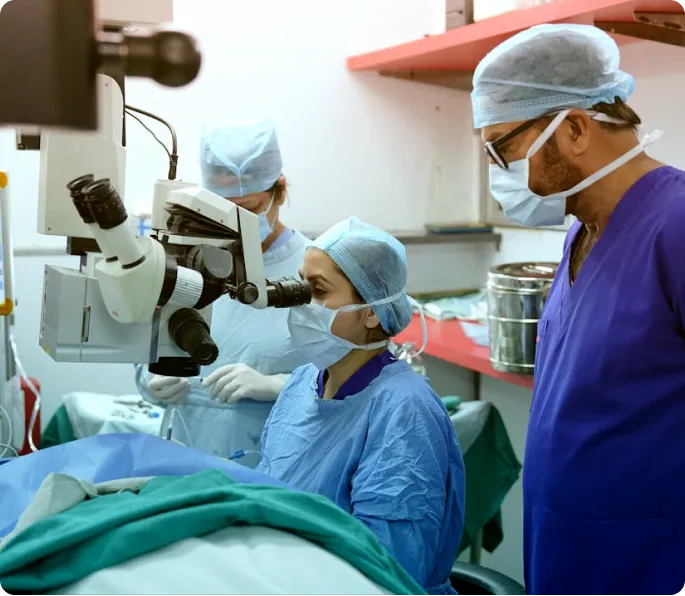
At Bascom Palmer Eye Institute, part of the University of Miami Health System, our experienced team of oculoplastic surgeons is trained in both ophthalmology and plastic surgery, specializing in the eyes, eyelids, and face. This area contains some of the most delicate anatomy in the body, and our surgeons perform both medical and cosmetic procedures that are central to facial function, appearance, and your sense of self.
We treat conditions of the orbit (eye socket), lacrimal system (tear glands and ducts), eyelids, and face. Whether you’ve suffered an eye or facial injury, have a condition affecting eyelid or eye function, or want to refresh and rejuvenate your appearance, we can help. Our oculoplastics team is the largest in the country and has pioneered innovative treatments for a wide range of conditions. For complex cases, we collaborate with specialists in dermatology, neurosurgery, ENT, oncology, endocrinology, and plastic surgery, ensuring comprehensive multidisciplinary care.
The Samuel & Ethel Balkan International Pediatric Glaucoma Center
While there is some overlap among surgical fields:
- Oculofacial Plastic Surgeons focus on the eyes, eyelids, brows, forehead, eye socket, and mid-face.
- General Plastic Surgeons treat conditions of the entire body, including the face.
- Facial Plastic Surgeons (ENT subspecialists) specialize in the nose, lower face, and neck.
Many conditions benefit from the combined expertise of multiple specialties, and our team ensures patients receive the most appropriate care for complex cases.
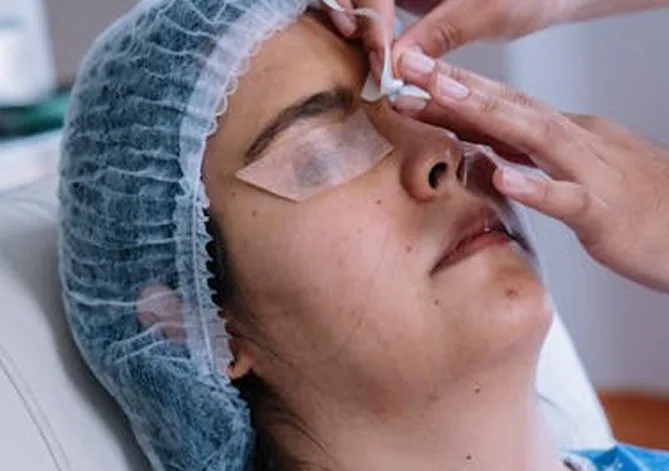
Conditions & Treatments
Our oculoplastic surgeons provide advanced care for both medical and cosmetic needs, including:
- Botox® for hemifacial spasm and blepharospasm
- Cosmetic eyelid and facial surgery
- Eyelid and brow surgery
- Lacrimal (tear duct) diseases and surgery
- Orbital and adnexal tumors
- Orbital and facial fractures
- Pediatric oculoplastic surgery
- Prosthetic eye plastic surgery
- Reconstructive surgery
- Eye removal (enucleation) procedures
- Thyroid eye disease treatments
Why Choose Bascom Palmer Eye Institute?
Ranked #1 in the Nation
- Recognized by U.S. News & World Report as the top facility for eye care.
Largest Oculoplastics Program in the U.S.
- Our orbital oncology team works with dermatology, ENT, neurosurgery, oncology, radiation, and interventional radiology to provide coordinated, patient-centered care.
Research-Driven Excellence
- Access to the latest technologies, innovative treatments, and clinical trials ensures personalized care and the best possible outcomes.
FAQ
What is ophthalmic plastic and reconstructive surgery?
Ophthalmic plastic surgery focuses on the eyelids, tear ducts, and tissues around the eyes, blending eye care with surgical precision to fix functional or cosmetic issues. Reconstructive aspects repair damage from injuries, tumors, or aging, ensuring both good looks and proper eye protection, like correcting droopy lids that block vision.
When would someone need this type of surgery?
It’s often for conditions like eyelid malpositions (e.g., turning inward and scratching the cornea), orbital fractures from accidents, or excess skin causing brow ptosis. Also common after cancer removal or for congenital defects in kids—basically, when eye-area problems affect comfort, vision, or appearance.
What are common procedures in ophthalmic plastic surgery?
Popular ones include blepharoplasty (removing sagging eyelid skin), dacryocystorhinostomy (unblocking tear ducts), or orbital decompression for bulging eyes in thyroid disease. Most are outpatient, using local anesthesia, and aim for natural results without overdoing the cosmetic side.
What are the risks and recovery like?
Risks are low but can include swelling, bruising, or temporary dry eyes—serious issues like infection are rare with experienced surgeons. Recovery usually takes 1-2 weeks for daily activities, with full healing in a month; ice packs and ointments help speed it up.
How does it differ from general plastic surgery?
It’s specialized for the delicate eye region, prioritizing vision safety over just aesthetics—surgeons are eye-trained to avoid complications like corneal exposure. Insurance often covers reconstructive parts, while cosmetic tweaks might be out-of-pocket.
Our Doctors
No doctors available for this speciality.

Questions? We’re here to help.
Our appointment specialists are ready to help you find what you need. Contact us today.