Pediatric Glaucoma
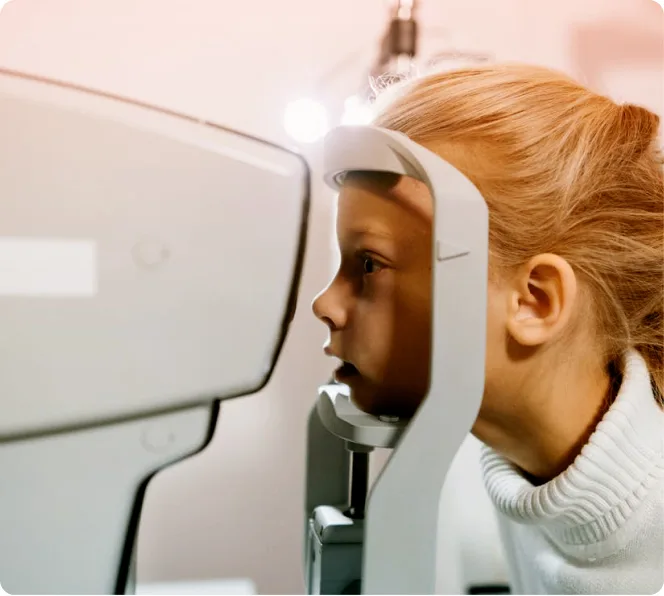
Although it most commonly affects older adults, childhood glaucoma (from birth to 18 years) occurs in approximately 1 in 5,000 children. In this condition, the fluid inside the eye (which regulates intraocular pressure, or IOP) does not drain properly. Instead, it builds up and creates excessive pressure that damages the optic nerve—the pathway that transmits visual information to the brain.
If left untreated, childhood glaucoma can cause irreversible blindness. Because it is rare and harder to detect in children, specialized care is critical. If you have concerns about your child’s eye health, the experts at the Samuel & Ethel Balkan International Pediatric Glaucoma Center at Bascom Palmer Eye Institute are here to help.

The Samuel & Ethel Balkan International Pediatric Glaucoma Center
Founded by Alana L. Grajewski, M.D., and made possible through the generosity of the Balkan/Litowitz family, this center is the first of its kind to offer a multidisciplinary approach to diagnosing and treating pediatric glaucoma.
Our team includes experts in:
- Pediatric Amblyopia – Craig A. McKeown, M.D., Hilda Capo, M.D., Kara M. Cavuoto, M.D., Ta Chen P. Chang, M.D.
- Pediatric Cornea – Angela Zhu, M.D.
- Pediatric Genetics – Mustafa Tekin, M.D.
- Pediatric Glaucoma – Ta Chen P. Chang, M.D., Elena Bitrian, M.D.
- Pediatric Retina – Audina M. Berrocal, M.D.
Signs and Symptoms of
Childhood Glaucoma
Because young children may not be able to describe vision problems, it’s important to watch for warning signs:
- Enlarged eyes (often subtle and mistaken as normal)
- Excessive tearing
- Cloudy corneas or a dull iris
- Light sensitivity
- Nearsightedness (myopia)
- Vision that seems to worsen over time
Since childhood glaucoma may mimic other eye conditions, it can be missed. For this reason:
- Your pediatrician should check your baby’s eyes during the first year of life.
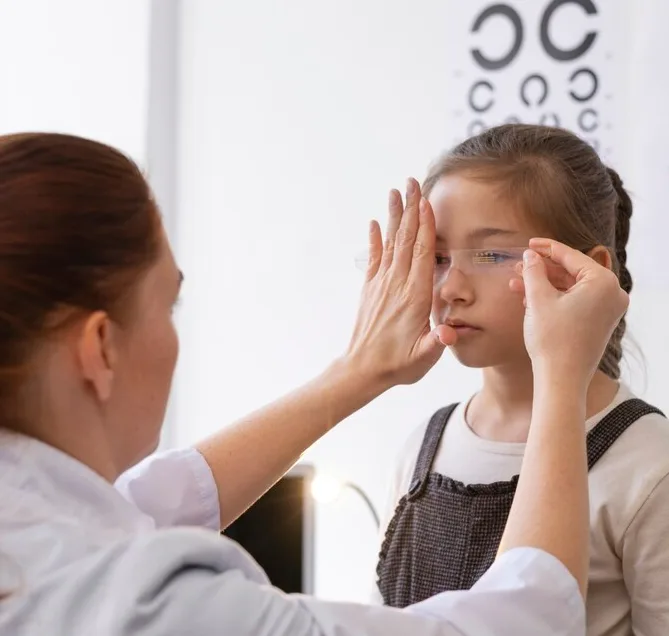
- Children should have a comprehensive eye exam by age four, and every two years after.
- If you or your pediatrician notice any warning signs, seek evaluation from a Bascom Palmer pediatric ophthalmologist right away.

Causes
While some forms of glaucoma can run in families, most primary childhood glaucoma has no identifiable cause. Secondary pediatric glaucoma is more common in children with:
- Axenfeld-Rieger Syndrome
- Aniridia
- Sturge-Weber Syndrome
- Neurofibromatosis
- Chronic steroid use
- Retinopathy of prematurity (after laser treatment)
- Previous trauma or childhood eye surgery (such as cataract removal)
Tests
Our pediatric ophthalmologists use specialized, child-friendly exam techniques to diagnose glaucoma, which may include:
Comprehensive Eye Examinations
Optical Coherence Tomography (OCT): A 3D view of the retina, optic nerve, and internal eye structures
Other imaging such as photography or ultrasound
Treatments
Surgery: Most children (especially babies with congenital glaucoma) respond best to surgery rather than medication. Options include goniotomy, trabeculotomy, or placement of a glaucoma drainage device. Some children may require multiple procedures.
- Outcomes: With prompt treatment, 80–90% of babies maintain normal or near-normal vision for life. Without early care, permanent vision loss is likely.
Eye Drops and Oral Medications: In older children, medications may be used along with surgery to lower eye pressure.
Glasses and Patching Therapy: Because many children with glaucoma develop myopia (nearsightedness) or amblyopia (lazy eye), corrective glasses and patching may also be part of their care plan.
Why Choose Bascom Palmer Eye Institute?
Specialized, Child-Centered Care
- The Balkan International Pediatric Glaucoma Center is the only one of its kind, designed to address the unique needs of children.
University-Based Medicine
- Powered by the University of Miami Health System, we offer access to clinical research, new technologies, and advanced treatments.
Family-Friendly Eye Care
- Our pediatric specialists combine medical expertise with creativity, patience, and compassion—caring not just for young patients, but also for their families.
FAQ
What distinguishes pediatric from adult glaucoma?
What symptoms alert to pediatric glaucoma?
How is it diagnosed in infants?
What surgical priorities for kids?
Long-term vision preservation?
Our Doctors
No doctors available for this speciality.

Questions? We’re here to help.
Our appointment specialists are ready to help you find what you need. Contact us today.