Pediatric Medical and Surgical Retina
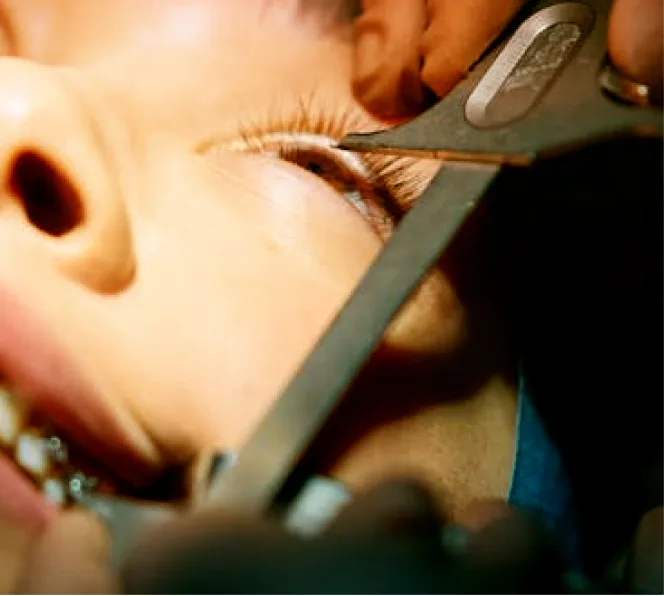
The retina is essential for central vision. This thin, light-sensitive tissue at the back of the eye sends visual signals between the eyes and brain. Because childhood vision plays a vital role in emotional, physical, and social development, specialized pediatric retinal care is crucial.
At Bascom Palmer Eye Institute, part of the University of Miami Health System, our dedicated pediatric team cares for children from birth through adolescence—providing advanced treatments designed for young patients.
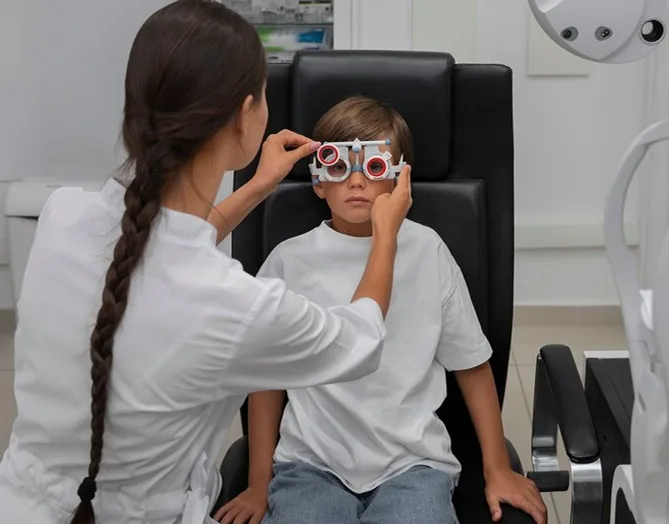
Why Children Need a Pediatric Eye Doctor
Eye care for children is not the same as for adults. Kids may struggle to describe their symptoms or sit through a standard eye exam. That’s why our pediatric ophthalmologists and surgeons use specialized training, techniques, and child-friendly environments to detect and treat eye problems effectively.
- First Year: Your pediatrician should examine your baby’s eyes.
- By Age Four: Every child should have a complete eye exam, even if vision seems normal.
- Every Two Years: Regular follow-ups are important for healthy visual development.
If there is a family history of eye disease or if anything unusual is noticed, your child should see a pediatric ophthalmologist promptly.

Retinal Conditions in Children
Some children develop retinal conditions from genetic disorders, premature birth, or eye injuries. Bascom Palmer specialists treat:
- Retinal Detachment – Occurs when the retina separates from its normal position. Causes may include trauma, prior surgery (especially cataract removal), family history, severe nearsightedness, or inflammation.
- Symptoms: sudden flashes of light, floaters, blurred or worsening side vision, or a curtain-like shadow across vision. Untreated detachment can cause permanent vision loss, making urgent treatment essential.
- Retinopathy of Prematurity (ROP) – Affects blood vessel development in premature or low-birth-weight babies and can lead to detachment or blindness if untreated.
- Retinoblastoma – The most common childhood eye cancer, though rare overall. It affects light-sensitive retinal cells and requires specialized care.
Diagnostic Tests
Retinal Examination – Using an ophthalmoscope and special lenses for a detailed retinal view.
Treatments
- Pneumatic Retinopexy: A gas or air bubble is injected into the eye, pressing the retina into place. Tears are sealed with laser or freezing techniques to prevent fluid leakage.
- Scleral Buckle: A silicone band sewn to the white of the eye reduces pulling forces on the retina. It is invisible and does not affect vision.
- Vitrectomy: Removes the vitreous gel tugging on the retina and replaces it with air, gas, or silicone oil to hold the retina in place. Sometimes combined with a scleral buckle.
- Pneumatic Retinopexy: A gas or air bubble is injected into the eye, pressing the retina into place. Tears are sealed with laser or freezing techniques to prevent fluid leakage.
- Scleral Buckle: A silicone band sewn to the white of the eye reduces pulling forces on the retina. It is invisible and does not affect vision.
- Vitrectomy: Removes the vitreous gel tugging on the retina and replaces it with air, gas, or silicone oil to hold the retina in place. Sometimes combined with a scleral buckle.
Why Choose Bascom Palmer Eye Institute?
#1 in the Nation for Eye Care
- Ranked by U.S. News & World Report more times than any other eye hospital.
Dedicated Pediatric Care
- Each year, we treat nearly 7,000 children at the William and Norma Horvitz Children’s Center, serving patients from the U.S., Caribbean, and Latin America.
Expert Specialists
- Our doctors train ophthalmologists from around the world and pioneer new treatments for pediatric retinal diseases.
Child- and Family-Friendly Environment
- From playful waiting rooms to cheerful exam spaces, we make visits comfortable for children and reassuring for families.
Advanced Pediatric Surgery
- Performed by pediatric ophthalmologists alongside specialized anesthesiologists to ensure safety and comfort.
Groundbreaking Research
- Our teams have developed predictive tests and innovative therapies for retinal detachments and other serious conditions.
FAQ
What makes retinal issues in children different from those in adults?
What are the most common pediatric retinal conditions treated medically?
When does surgery become necessary for pediatric retinal problems?
How are pediatric retinal procedures kept safe and effective?
What role do parents play in long-term retinal health for kids?
Our Doctors
No doctors available for this speciality.

Questions? We’re here to help.
Our appointment specialists are ready to help you find what you need. Contact us today.