Pediatric Neuro-ophthalmology
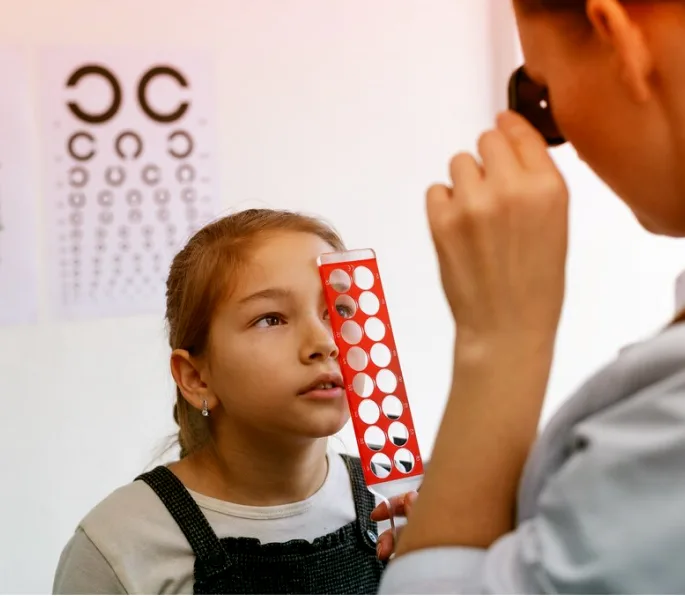
Neuro-ophthalmology is a subspecialty within ophthalmology that focuses on the connection between the eyes and the brain. Doctors in this field diagnose and treat vision problems that arise from conditions affecting the optic nerve, brain, or blood flow to the eyes.
Neuro-ophthalmologists undergo advanced fellowship training to understand how the nervous system impacts vision. Pediatric neuro-ophthalmologists specialize further to address how children’s eyes develop and function, including the muscles and nerves controlling movement.
At Bascom Palmer Eye Institute, part of the University of Miami Health System, our team looks beyond the eye itself to diagnose and treat conditions that involve the optic nerve, brain, or underlying metabolic issues impacting your child’s vision.
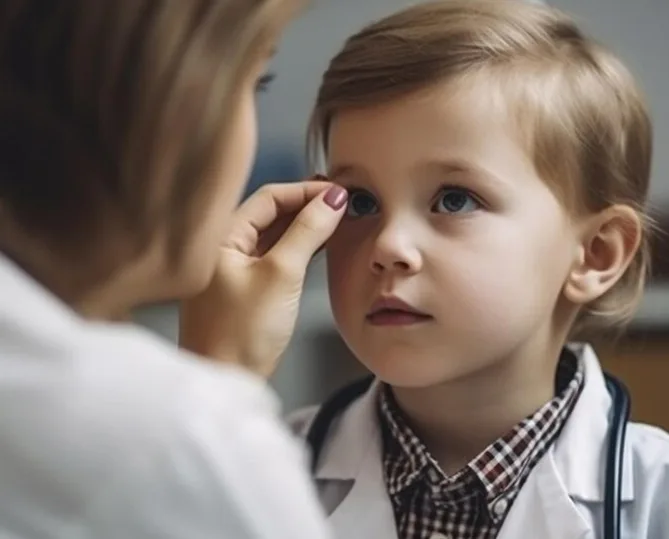
Conditions We Treat
Children’s eye and brain disorders can range from common to highly complex. Some of the conditions we manage include:
- Brain tumor-related vision loss
- Delayed visual maturation
- Double vision
- Eye movement disorders
- Ptosis (drooping eyelids)
- Pupil abnormalities
- Septo-optic dysplasia (early brain development disorder)
- Unexplained vision loss
- Vision issues related to epilepsy or seizures

Symptoms to Watch For
Neuro-ophthalmologic conditions may appear at birth or develop later in childhood. Because infants and young children often cannot describe what they are experiencing, parents should watch for signs such as:
- Abnormal or impaired eye movement
- Unequal pupil size
- Pupils that do not respond to light
- Unexplained or sudden vision loss
- Double vision
- Drooping eyelids or facial spasms
If you or your pediatrician suspect a neurological issue, a referral to a pediatric neuro-ophthalmologist is an important next step.
Diagnostic Tests
A careful evaluation is essential to guide treatment. At Bascom Palmer, our pediatric neuro-ophthalmologists use the most advanced optical and brain imaging technologies to reach an accurate diagnosis. As part of a comprehensive exam, your child may undergo:
- Electrophysiology tests
- Cerebral angiography
- Blood tests
- Optical coherence tomography (OCT)
- CT scan
- MRI scan
Treatments
Every child receives a customized treatment plan tailored to their condition. Depending on the diagnosis, treatment options may include:
- Visual therapy aids
- Medication
- Visual therapy aids
- Specially fitted eyeglasses (such as prism lenses)
- Minimally invasive or traditional surgery
Why Choose Bascom Palmer Eye Institute?
#1 in the Nation
- Ranked by U.S. News & World Report as the top eye hospital in the country, Bascom Palmer provides world-class care for even the most complex pediatric eye conditions.
Depth of Experience
- For more than 45 years, our neuro-ophthalmologists have treated thousands of patients, building one of the world’s leading programs.
Compassionate Support
- We partner with families, offering guidance, resources, and reassurance throughout the care journey.
Multidisciplinary Expertise
- As part of UHealth, our team collaborates with specialists across multiple disciplines to provide comprehensive, coordinated care.
Research & Innovation
- Many of our physicians are also researchers and educators, leading advancements in imaging, brain-eye studies, and new treatments.
Specialized Pediatric Surgical Suites
- Our surgical teams include nationally recognized pediatric ophthalmologists, anesthesiologists, and nurses, supported by the latest technology.
Advanced Imaging Technology
- Cutting-edge diagnostic resources ensure accurate evaluation and personalized treatment planning.
FAQ
What makes pediatric neuro-ophthalmology unique compared to adult care?
What common conditions fall under pediatric neuro-ophthalmology?
How are symptoms spotted and evaluated in children?
What treatments are available for pediatric neuro-ophthalmic issues?
How can parents support prevention and early detection?
Our Doctors
No doctors available for this speciality.

Questions? We’re here to help.
Our appointment specialists are ready to help you find what you need. Contact us today.