Pediatric Ophthalmology
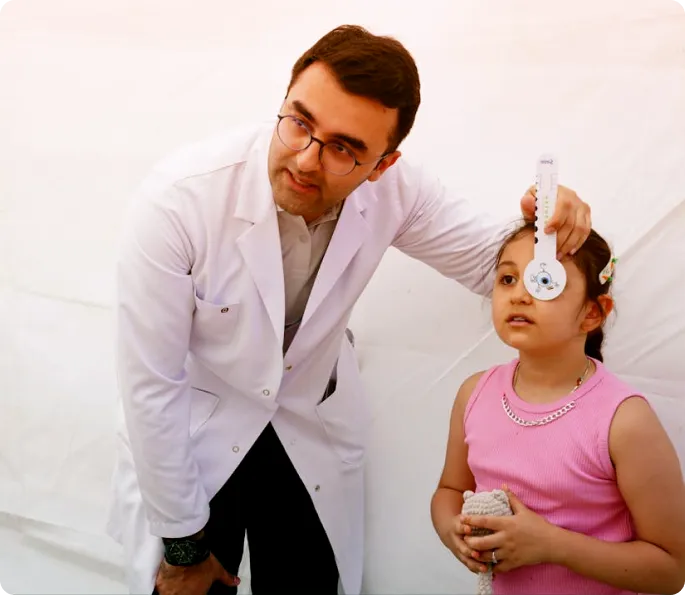
Children’s eyes are not just smaller versions of adult eyes — they are still developing. That’s why children need specialized care from experts who understand their unique needs. At Bascom Palmer Eye Institute, part of the University of Miami Health System, our pediatric ophthalmologists diagnose and treat both common and rare eye conditions in infants, children, and teens.
The Importance of Childhood Eye Exams
Early diagnosis and treatment of childhood eye conditions can significantly influence your child’s physical, emotional, and social development.
Infants: Your pediatrician should perform vision screening during the first year of life.
Ages 3–5: Screening is especially important to detect amblyopia (lazy eye) or risk factors.
At-risk children: Those with a family history of amblyopia, strabismus, congenital cataracts, congenital glaucoma, or retinoblastoma should have a full eye exam.
Children with medical conditions: Intellectual disabilities, developmental delay, Down syndrome, prematurity, neurofibromatosis, and behavioral conditions benefit from early comprehensive exams.
Our Pediatric Facilities and Services
We treat nearly 7,000 children each year at our Miami, Coral Gables, Palm Beach Gardens, and Naples facilities. Families travel from across the U.S. and around the world for our expertise.
Our centers designed especially for children include:
- William and Norma Horvitz Children’s Center
- Samuel & Ethel Balkan International Pediatric Glaucoma Center
Pediatric Specialties We Offer
- Amblyopia (Lazy Eye)
- Adult Strabismus
- Pediatric Cataracts
- Strabismus (Misaligned Eyes)
- Pediatric Cornea
- Pediatric Glaucoma
- Vision that seems to worsen over time
- Pediatric Medical & Surgical Retina
- Pediatric Myopia (Nearsightedness)
- Pediatric Neuro-Ophthalmology
- Pediatric Oculoplastic Surgery
- Retinoblastoma
- Retinopathy of Prematurity (ROP)
Why Choose Bascom Palmer Eye Institute?
#1 in the Nation
- Consistently ranked by U.S. News & World Report as the best in America for eye care.
Specialized Pediatric Services
- Exams, diagnoses, and treatments tailored to children’s developmental stages.
Family-Friendly Eye Care
- Our pediatric specialists combine medical expertise with creativity, patience, and compassion—caring not just for young patients, but also for their families.
Child- and Family-Centered Care
- Compassionate teams that support families through every step of care.
Comprehensive Care Under One Roof
- From diagnosis to treatment, we provide all the services your child may need.
Tomorrow’s Treatments Today
- Access to clinical research trials and innovative therapies led by world-renowned physicians and scientists.
FAQ
Why do children need specialized eye care?
Kids’ eyes develop rapidly, so issues like lazy eye (amblyopia) or crossed eyes (strabismus) can affect vision permanently if missed. Pediatric ophthalmologists use kid-friendly tools to diagnose early, preventing lifelong problems.
What are common pediatric eye conditions?
Amblyopia (brain ignores one eye), refractive errors (needing glasses), blocked tear ducts, or congenital cataracts. Many are treatable with patches, drops, or surgery before school age.
How are children's eye exams different?
They’re playful—using pictures instead of letters, dilating drops for fun views inside. Screening starts at birth, with full exams by age 3-5 or sooner if family history suggests risks.
What treatments are used for pediatric eye issues?
Glasses or contacts for focus problems, patching for amblyopia, surgery for cataracts or strabismus. All age-appropriate, with follow-ups to track growth.
Can parents help prevent eye problems in kids?
Limit screen time, encourage outdoor play for myopia prevention, ensure helmets for sports. Newborn checks and school screenings catch issues early—don’t wait for complaints.
Our Doctors
No doctors available for this speciality.

Questions? We’re here to help.
Our appointment specialists are ready to help you find what you need. Contact us today.