Retina and Vitreous Diseases
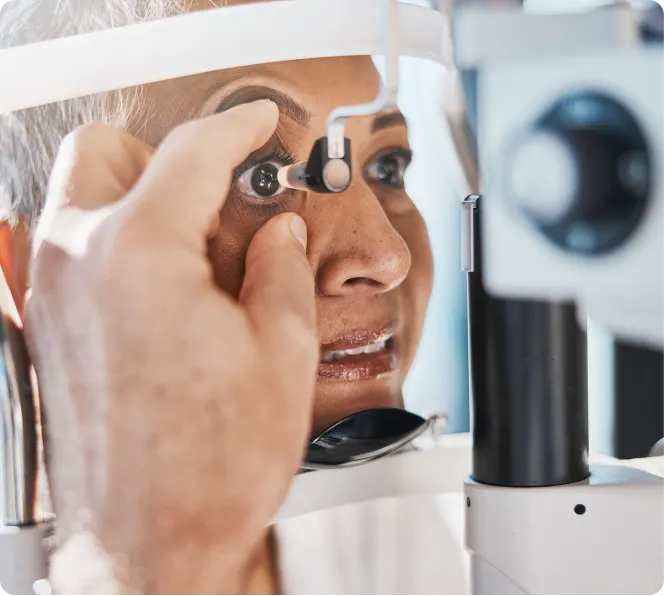
The retina is a light-sensitive tissue lining the back of your eye that converts light into electrical signals, which are then transmitted to the brain. Because the retina is essential for vision, diseases affecting the retina can cause permanent vision loss or blindness if left untreated.
At Bascom Palmer Eye Institute, part of the University of Miami Health System, we offer advanced diagnostic tools, cutting-edge treatments, and research-driven care to protect and restore vision for patients of all ages
Who is at Risk?
Certain systemic health conditions can increase the risk of retinal disease, including:
- High blood pressure (hypertension)
- Diabetes
- Vascular diseases affecting arteries and blood flow
These conditions can lead to retinal vascular disease, which involves blockages, clots, or damage to the blood vessels inside the eye. Just as vascular disease elsewhere in the body can cause heart attacks or strokes, retinal vascular disease can significantly impair vision.
Retinal Degeneration
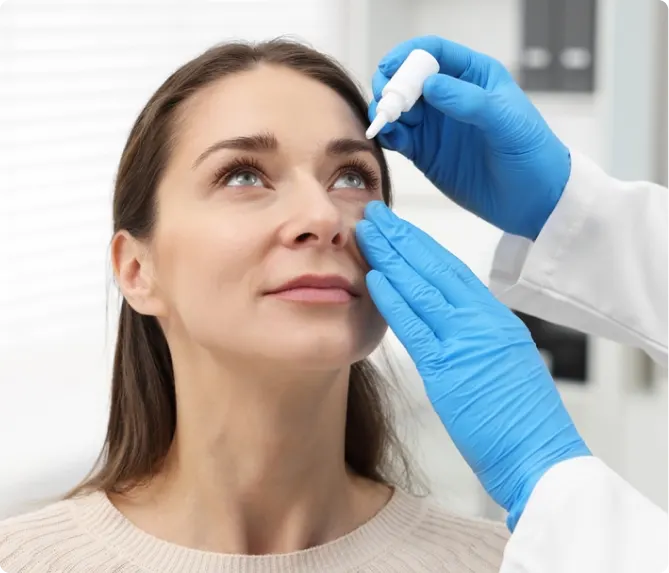
Retinal degeneration occurs when retinal cells die, compromising the retina’s ability to send visual signals to the brain. Causes include:
- Genetic disorders such as Retinitis Pigmentosa
- Aging, leading to conditions like Age-Related Macular Degeneration (AMD)
- Cancer or other ocular diseases
Left untreated, retinal degeneration can result in progressive vision loss or blindness.
Conditions and Treatments
Age-Related Macular Degeneration (AMD)
- Progressive damage to the central retina (macula), causing blurred or distorted central vision.
- Treatments include anti-VEGF injections, laser therapy, and lifestyle management.
Central Serous Chorioretinopathy
- Fluid accumulation under the retina causing visual distortion or blurry vision.
- Management may involve observation, laser, or medication depending on severity.
Diabetic Retinopathy
- Damage to retinal blood vessels due to diabetes.
- Treatments include laser therapy, intravitreal injections, and strict blood sugar control.
Flashes and Floaters
- Sudden flashes or floating spots in vision may indicate retinal tears or detachment.
- Prompt evaluation is essential to prevent vision loss.
Retinal Tears and Retinal Detachment
- Separation of the retina from underlying tissue.
- Surgical repair is critical to restore and preserve vision.
Epiretinal Membrane / Macular Pucker
- Scar tissue on the retina causing blurred or distorted vision.
- Surgery may be required to remove the membrane and restore vision.
Macular Holes
- Small breaks in the macula affecting central vision.
- Vitrectomy surgery is often performed to repair the hole.
Retinal Vein Occlusion
- Blockage of retinal veins causing swelling and vision loss.
- Treatments include injections and laser therapy.
Retinal Infection (Endophthalmitis)
- Serious infection inside the eye, often after surgery or trauma.
- Prompt treatment with antibiotics or surgery is essential.
Uveitis
- Inflammation of the uvea that can damage the retina.
- Managed with medications, injections, or surgery depending on cause.
Retinoblastoma
- A rare childhood retinal cancer requiring specialized surgical or medical treatment.
Pediatric Medical and Surgical Retina
- Conditions affecting infants and children, including congenital retinal disorders.
Retinopathy of Prematurity (ROP)
- Abnormal retinal blood vessel growth in premature infants.
- Early detection and treatment are critical to prevent blindness.
Retinitis Pigmentosa
- Genetic retinal degeneration causing night blindness and peripheral vision loss.
- Management focuses on monitoring, vision aids, and emerging gene therapies.
FAQ
What is the retina, and why is it important?
The retina is the light-sensitive layer at the back of the eye, like film in a camera, turning images into signals for the brain. Diseases like macular degeneration or diabetic retinopathy damage it, causing central or peripheral vision loss.
What causes vitreous diseases?
The vitreous is the gel filling the eye; issues like floaters (from aging shrinkage) or detachment (emergency tearing) occur from trauma, diabetes, or age. Most floaters are harmless, but sudden increases need checking.
How are retinal diseases diagnosed?
Dilated exams, OCT scans for layer thickness, or fluorescein angiography (dye highlights vessels). It’s detailed to spot leaks or swelling early.
What treatments help retina and vitreous conditions?
Injections (anti-VEGF for wet AMD), laser to seal leaks, vitrectomy surgery to remove gel and repair tears. Success varies but often stabilizes vision.
How can I protect my retina as I age?
Control diabetes/blood pressure, eat omega-3 rich foods, quit smoking, wear UV sunglasses. Annual exams after 50 detect changes early.

Questions? We’re here to help.
Our appointment specialists are ready to help you find what you need. Contact us today.