Retina and Vitreous Diseases
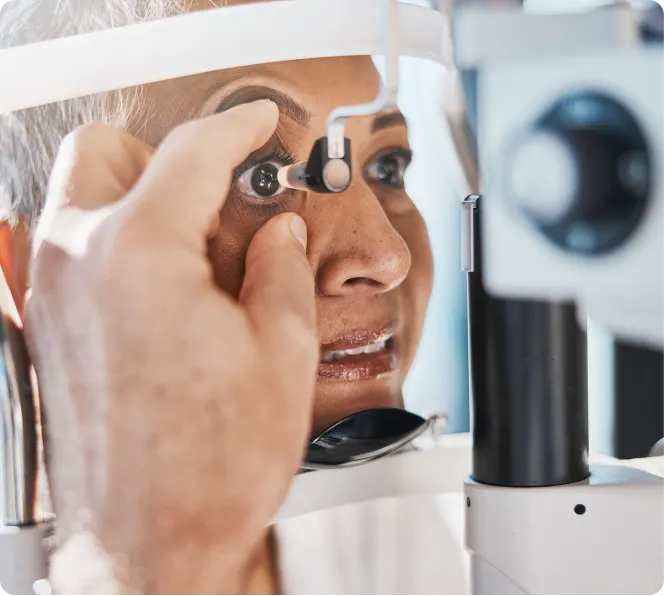
The retina is a light-sensitive tissue lining the back of your eye that converts light into electrical signals transmitted to the brain. It is essential for central vision — the precision needed for reading, driving, and recognizing faces. Diseases affecting the retina or the vitreous — the gel-like substance filling the eye — can cause permanent vision loss or blindness if left untreated.
At Bascom Palmer Eye Institute Abu Dhabi, part of the University of Miami Health System, our vitreoretinal specialists bring decades of experience to the diagnosis and management of the full spectrum of retinal and vitreous conditions — from early-stage disease to complex surgical cases. We use state-of-the-art diagnostic tools, including high-resolution imaging, optical coherence tomography (OCT), OCT angiography (OCTA), fluorescein angiography, ultra-widefield (UWF) imaging, and electrophysiology testing, to accurately evaluate your condition and design a personalized treatment plan.
Who is at Risk?
Certain systemic conditions increase the risk of retinal disease, including:
- High blood pressure (hypertension)
- Diabetes
- Vascular diseases affecting arteries and blood flow
These conditions can lead to retinal vascular disease — involving blockages, clots, or damage to blood vessels inside the eye. Just as vascular disease elsewhere in the body can cause heart attacks or strokes, retinal vascular disease can significantly impair vision.
Conditions and Treatments
Age-Related Macular Degeneration (AMD)
- Progressive damage to the central retina (macula) causes blurred or distorted central vision. The leading cause of vision loss in adults over 50. Dry AMD involves the gradual thinning of the macula; wet AMD features abnormal blood vessel growth that causes leakage. Treatments include anti-VEGF injections, laser therapy, nutritional supplements, photodynamic therapy (PDT), or monitoring, depending on the stage.
Diabetic Retinopathy
- Damage to retinal blood vessels caused by high blood sugar, potentially leading to leakage, swelling (macular edema), or abnormal vessel growth. Treatments range from blood sugar control and laser therapy to intravitreal injections or surgery to prevent severe vision loss.
Retinal Detachment
- A medical emergency where the retina pulls away from its supporting tissue, causing floaters, flashes, or a curtain-like shadow in vision. Prompt surgical intervention — vitrectomy, scleral buckle, or pneumatic retinopexy — can often reattach the retina and restore vision.
Macular Holes
- Small breaks in the macula affect central vision. Vitrectomy surgery is often performed to repair the hole and restore vision.
Epiretinal Membrane / Macular Pucker
- Scar tissue on the macula causes blurred or wavy central vision. Surgery to remove the membrane is often effective in improving vision.
Retinal Vein Occlusion
- Blockage in retinal veins causes swelling and vision changes. Treatments include intravitreal injections, laser therapy, or observation.
Central Serous Chorioretinopathy (CSR)
- Fluid accumulation under the retina causes visual distortion or blurry vision. Management may involve observation, photodynamic therapy (PDT), laser, or medication, depending on severity.
Flashes and Floaters
- Sudden flashes or floating spots in vision may indicate retinal tears or detachment. Prompt evaluation is essential to prevent vision loss.
Retinal Tears
- Separation of the retina from the underlying tissue. Surgical repair is critical for restoring and preserving vision.
Inherited Retinal Diseases — Retinitis Pigmentosa
- Progressive genetic condition causing night blindness and peripheral vision loss. Management focuses on monitoring, low-vision aids, and emerging gene therapies.
Retinal Degeneration
- Occurs when retinal cells die due to genetic disorders, aging, or systemic disease (including AMD and cancer). Left untreated, progressive vision loss or blindness can result.
Retinal Infection (Endophthalmitis)
- Serious infection inside the eye, often following surgery or trauma. Prompt treatment with antibiotics or surgery is essential.
Uveitis
- Inflammation of the uvea can damage the retina. Managed with medications, injections, or surgery depending on the cause.
Retinopathy of Prematurity (ROP)
- Abnormal retinal blood vessel growth in premature infants. Early detection and treatment are critical to prevent blindness.
Retinoblastoma
- A rare childhood retinal cancer requiring specialized surgical or medical treatment.
Pediatric Medical and Surgical Retina
- Conditions affecting infants and children, including congenital retinal disorders.
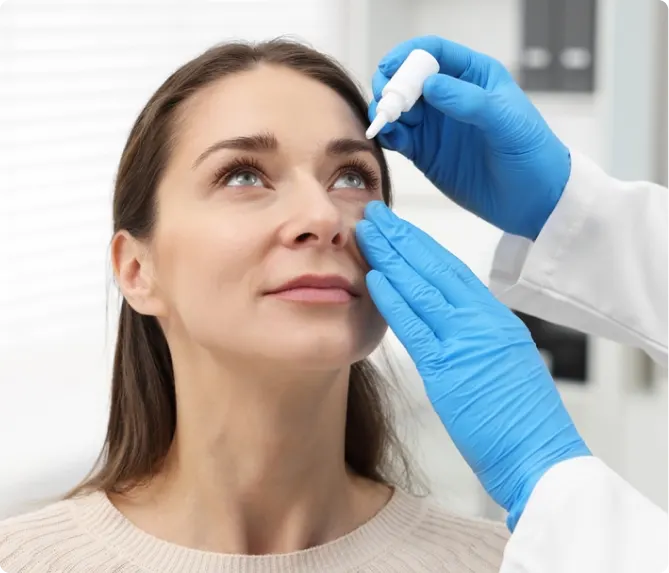
Symptoms to watch for
- Sudden floaters or flashes of light
- Blurred or distorted central vision
- Shadows or curtains in your visual field
- Loss of peripheral vision
- Visual distortion or a sudden change in color perception
Regular eye exams are crucial — especially if you have diabetes, high blood pressure, or a family history of eye disease.
Treatments & Technologies
Intravitreal Injections
Anti-VEGF medications to block abnormal vessel growth in wet AMD or diabetic macular edema, or steroids for inflammation. Administered as an in-clinic procedure with minimal discomfort.
Photodynamic Therapy (PDT)
PDT combines a light-sensitive dye — injected into the bloodstream — with a “cold” laser to target abnormal, leaking blood vessels in the retina or the layer beneath it. Used to treat specific forms of wet macular degeneration and Central Serous Chorioretinopathy (CSR).
Vitreoretinal Surgery
Minimally invasive vitrectomy to address retinal detachments, macular holes, vitreous hemorrhage, or epiretinal membranes. Often performed on an outpatient basis with high success rates.
Laser Therapy
Precise laser treatment for retinal tears, leaks, or abnormal vessel growth.
Vitreoretinal Surgery — A Closer Look
Vitreoretinal surgery is an advanced procedure that addresses problems in the vitreous and retina, restoring, preserving, or enhancing vision by correcting issues caused by blood, scar tissue, or retinal tears.
What to expect:
- Surgery is performed under local or general anesthesia
- Three tiny incisions are made in the eye to insert miniature instruments
- Postoperative care includes antibiotic eye drops for one week and anti-inflammatory drops for several weeks
- Recovery and vision improvement depend on overall health and the complexity of the condition
Bascom Palmer's Vitreoretinal Legacy:
- Trained the first generation of vitreoretinal surgeons in the United States
- Invented the surgical instruments used in modern vitreous surgery and performed the first successful vitreous operation
- Established the clinical value of vitrectomy for retinal disorders
- Pioneered treatments for retinopathy of prematurity and fluorescein angiography for retinal diagnostics
Why Choose Bascom Palmer Eye Institute?
Ranked #1 in the U.S
- Ranked #1 in the U.S. for Ophthalmology by U.S. News & World Report for 24 years.
- Our internationally recognized physicians have transformed the diagnosis and treatment of retinal diseases.
Comprehensive Care
- Access to every ophthalmic subspeciality under one roof.
Cutting-Edge Research
- Over 50 years of breakthroughs translate into the latest treatments and access to clinical trials.
State-of-the-Art Surgical Suites
- Across our centers, we perform 18,000 surgeries annually with 24-hour emergency care.
FAQ
What is the retina, and why is it important?
The retina is the light-sensitive layer at the back of the eye — like the film in a camera — turning images into signals for the brain. Diseases like macular degeneration or diabetic retinopathy can damage it, leading to central or peripheral vision loss.
What causes vitreous diseases?
The vitreous is the gel filling the eye. Issues like floaters (from age-related shrinkage) or detachment can occur from trauma, diabetes, or aging. Most floaters are harmless, but a sudden increase should always be evaluated promptly.
How are retinal diseases diagnosed?
Through dilated eye exams, OCT scans for retinal layer thickness, fluorescein angiography to highlight vessel leakage, OCTA, and ultra-widefield imaging. Electrophysiology tests may also be used for inherited conditions.
What treatments are available?
Intravitreal injections (anti-VEGF for wet AMD), laser therapy to seal leaks, photodynamic therapy for specific conditions, and vitrectomy surgery to repair tears or remove gel. Treatment success varies, but often stabilizes or improves vision significantly.
What conditions require vitreoretinal surgery?
Retinal detachments, macular holes, vitreous hemorrhage, epiretinal membranes, and diabetic traction are the most common indications.
How can I protect my retina as I age?
Control diabetes and blood pressure, maintain a diet rich in omega-3 fatty acids and antioxidants, quit smoking, wear UV-protective sunglasses, and attend annual eye exams — especially after age 50.

Questions? We’re here to help.
Our appointment specialists are ready to help you find what you need. Contact us today.