Retinoblastoma
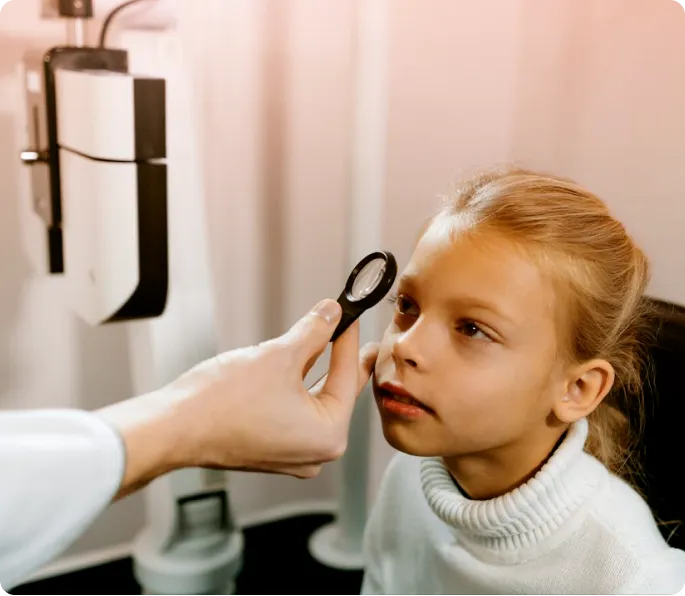
Retinoblastoma (RB) is the most common intraocular cancer in children, with 400–500 cases diagnosed in the U.S. each year. It is extremely rare in adults.
Although RB is genetic, only 6% of newly diagnosed patients have a family history. Genetic counseling is recommended for children with germ-line mutations to guide future care.
Bascom Palmer Eye Institute works closely with Sylvester Comprehensive Cancer Center, providing advanced care for retinoblastoma. Sylvester is the only center in the Southeastern U.S. and one of few in the nation highly skilled in intra-arterial chemotherapy, which delivers chemotherapy directly to the eye, reducing systemic side effects and improving eye preservation rates.
Diagnostic Tests
Early, accurate diagnosis is critical. Our specialists may use:
Retinal Examination
Optical Coherence Tomography (OCT)
Ultrasound
Fluorescein Angiography
Electroretinogram (ERG)
Bone Scan
umbar Puncture (Spinal Tap)
Bone Marrow Aspiration/Biopsy
Performed if cancer is suspected to have spread into the blood or marrow.
Treatment Options
Intra-Arterial Chemotherapy
- A thin catheter delivers chemotherapy directly to the ophthalmic artery.
- Young patients with C–E graded tumors benefit from reduced systemic side effects.
- Typically requires 2–3 treatments spaced three weeks apart.
- Only ~5% fail to respond; additional local injections can target remaining cancer cells in the eye.
Cryotherapy
- Uses extreme cold to destroy cancer cells.
- Often combined with other treatments to improve outcomes.
Other Options
- A thin catheter delivers chemotherapy directly to the ophthalmic artery.
- Young patients with C–E graded tumors benefit from reduced systemic side effects.
- Typically requires 2–3 treatments spaced three weeks apart.
- Only ~5% fail to respond; additional local injections can target remaining cancer cells in the eye.
Why Choose Bascom Palmer Eye Institute?
National-Leading Partnership
- Combines cancer expertise with the nation’s #1 eye hospital.
Multidisciplinary Care Teams
- Ophthalmology, oncology, dermatology, radiation, and pathology experts collaborate for optimal outcomes.
Advanced Eye-Sparing Treatments
- Intra-arterial chemotherapy and localized radiation therapy preserve vision in many cases.
Top-Ranked Prosthetic Options
- Custom-designed artificial eyes improve appearance and protect underlying tissues.
Research & Innovation
- First U.S. center to use topical interferon drops for eye cancer; cutting-edge OCT imaging diagnoses tumors without biopsy or radiation.
With early diagnosis and specialized care, children with retinoblastoma have a high chance of eye preservation and cure.
FAQ
What is retinoblastoma, and how does it present in young children?
How is retinoblastoma screened and confirmed?
What multi-modal treatments cure retinoblastoma?
What genetic counseling follows retinoblastoma diagnosis?
What long-term follow-up do survivors need?
Our Doctors
No doctors available for this speciality.

Questions? We’re here to help.
Our appointment specialists are ready to help you find what you need. Contact us today.