Thyroid Eye Disease
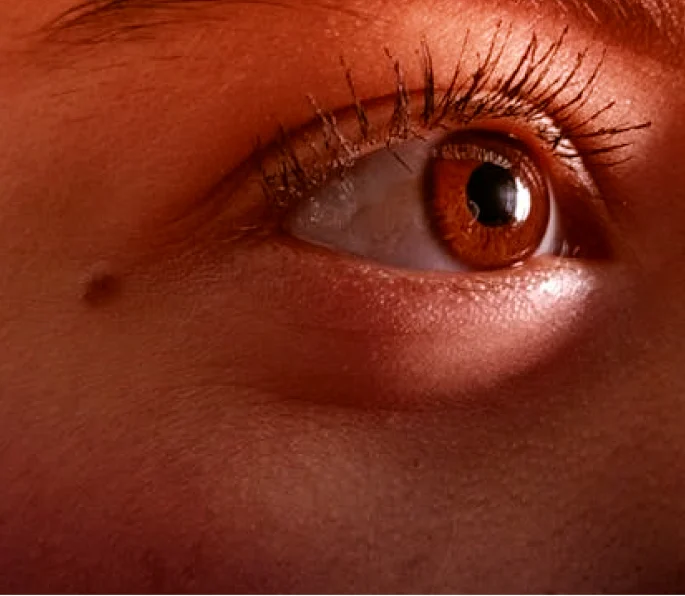
Thyroid-associated ophthalmopathy (TAO) – also known as Graves’ orbitopathy or thyroid eye disease – is an autoimmune condition that affects the eyes and surrounding tissues. It can cause changes in the appearance of the eyes and eyelids, discomfort, double vision, dry eyes, tearing, corneal exposure, and, in severe cases, vision loss.
TAO most commonly occurs in people with hyperthyroidism (overactive thyroid) or a history of Graves’ disease, but it may also develop in patients with or no known thyroid abnormalities.
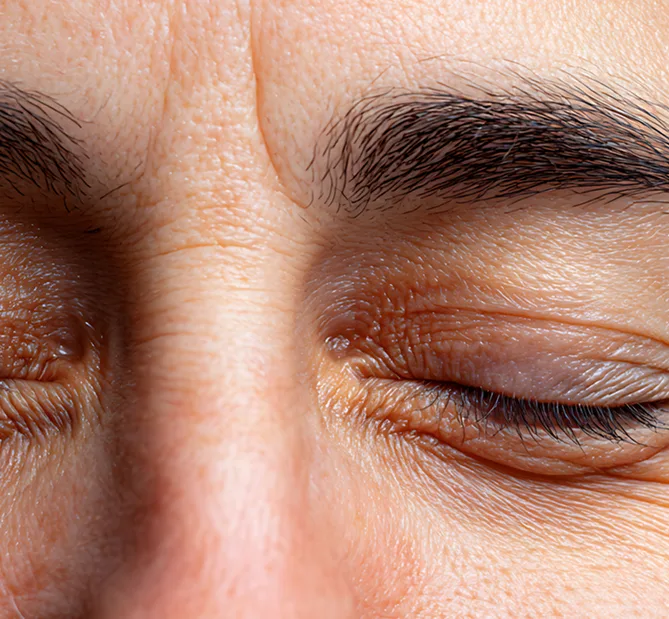
Symptoms of TAO
Patients with TAO may experience:
- Bulging eyes
- Decreased eye movement
- Double vision
- Excessive tearing or dry eyes
- Eyelid retraction (upper eyelids raised, lower eyelids lowered)
- Irritation or grittiness in the eyes
- Loss of vision
- Eye pain or pressure
- Redness or inflammation of the white part of the eye (conjunctiva)
- Sensitivity to light (photophobia)
- Swelling of the eyelids
Tests
Comprehensive Eye Exam
The ophthalmologist evaluates eye movement, swelling, eyelid position, and overall eye health.
Imaging
A CT scan or MRI may be ordered to examine the eye muscles and orbital tissues in detail.
Treatment Options
General Health Management: Avoid smoking, as it increases the risk of severe TAO up to eight-fold.
Thyroid Management: Keeping thyroid hormone levels within the normal range reduces the risk of worsening eye disease. Close follow-up with both your ophthalmologist and endocrinologist is essential.
Selenium Supplementation: Studies suggest selenium (100 µg twice daily) may improve quality of life and slow progression in mild TAO. Consult your doctor before starting supplementation.
Sleeping Modifications: Elevating the head while sleeping can reduce inflammation in some cases.
Lubricating Eye Drops or Ointment: Relieves dryness and irritation, especially before bedtime. Ointments can help protect the eyes at night, particularly in air-conditioned environments.
Orbital Decompression Surgery: In severe cases, surgery may remove bone between the eye socket and sinuses to create more space for swollen tissues and relieve pressure.
Protective Eyewear: Sunglasses shield the eyes from sun, wind, and environmental irritants.
Why Choose Bascom Palmer Eye Institute?
Ranked #1 in the Nation
- Bascom Palmer Eye Institute, part of the University of Miami Health System, is the top-rated hospital in the U.S. for eye care according to U.S. News & World Report.
Comprehensive, Compassionate Care
- Our team provides advanced medical and surgical treatments for both functional and cosmetic concerns related to TAO.
Expert Ophthalmologists & Oculoplastic Surgeons
- Our specialists offer individualized care and are actively conducting research to improve treatments for patients with thyroid eye disease.
FAQ
What is thyroid eye disease, and who is most at risk?
What are the common symptoms of thyroid eye disease?
How is thyroid eye disease diagnosed?
What treatments are available for managing thyroid eye disease?
How can lifestyle changes help with thyroid eye disease?
Our Doctors
No doctors available for this speciality.

Questions? We’re here to help.
Our appointment specialists are ready to help you find what you need. Contact us today.