Tumors Involving Vision
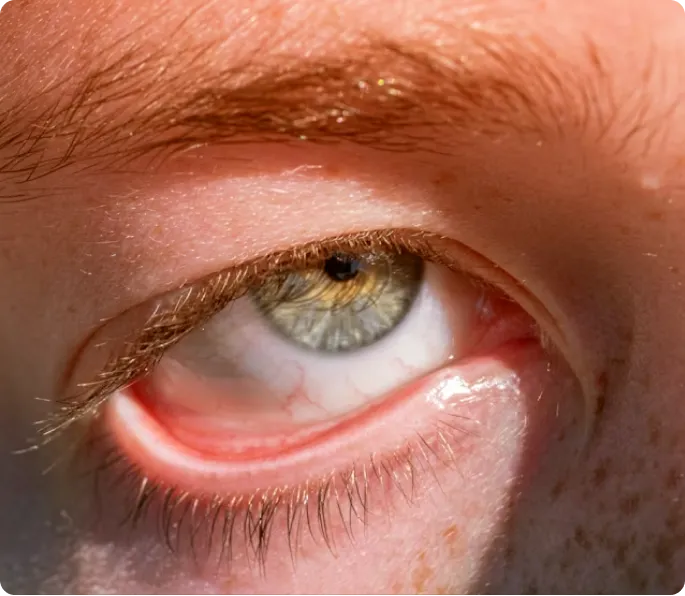
Eye tumors can significantly affect vision and may even spread to other parts of the body. They can be primary tumors, which begin in the eye, or secondary tumors, which spread from other cancers, such as breast, lung, bowel, or prostate cancer.
Primary Eye Tumors Include
Retinoblastoma: Cancer of the retina that occurs in children.
Melanoma: Uncontrolled growth of melanocytes, most frequently affecting adults aged 60–65.
It is critical to seek expert care for proper diagnosis and treatment to protect your vision and overall health.
Symptoms of Eye Tumors
- Blurry vision
- Bulging of one eye
- Dark patch in the eye that grows over time
- Lump on the eyelid or eye that enlarges
- Partial or complete vision loss
- Shadows, flashes of light, or wiggly lines in your vision
Tests
Comprehensive Eye Exam
Your ophthalmologist will perform a detailed examination of your eyes, including pupil dilation, to identify tumors or abnormalities.
Imaging
Ultrasound, CT scans, or other imaging methods may be used to provide detailed views of the eye and tumor.
Treatment Options
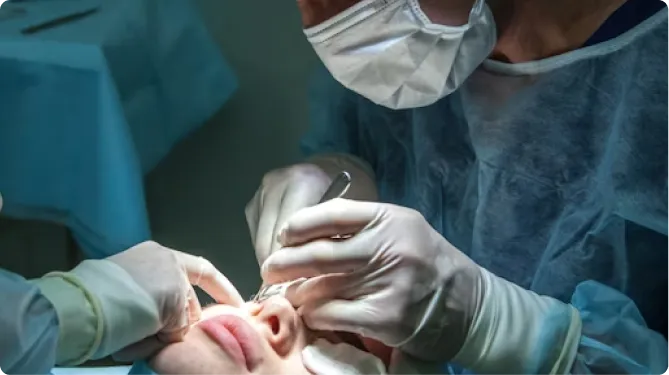
Surgery: Tumors may be surgically removed when possible to preserve vision and prevent further spread.
Laser Therapy: For certain tumor types or locations, laser treatment may effectively remove or shrink tumors.
Radiation Therapy: If surgery is not feasible or cannot completely remove the tumor, radiation may be used to target and reduce tumor growth.
Why Choose Bascom Palmer Eye Institute?
Ranked #1 in the Nation
- Bascom Palmer Eye Institute, part of the University of Miami Health System, is the top-rated eye hospital in the U.S., according to U.S. News & World Report.
Team Approach to Care
- Our ophthalmologists work closely with University of Miami cancer specialists to ensure timely, effective treatment, preserving your vision and overall health.
Expert, Compassionate Care
- Receive advanced diagnostic testing, personalized treatment plans, and ongoing support from a leading multidisciplinary team.
FAQ
What kinds of tumors can disrupt vision pathways?
Benign like pituitary adenomas compress chiasm causing tunnel loss, malignant metastases seed retina, meningiomas squeeze nerves—optics from skull base to orbit, blurring fields or acuity subtly.
What warning signs suggest a vision-affecting tumor?
Headaches with bitemporal hemianopia, proptosis, or hormone swings (acromegaly). Gradual, unlike strokes—neuro-ophtho eval urgent.
How are these tumors imaged and biopsied?
MRI excels soft-tissue detail, CT bones; biopsy via craniotomy or needle. Multidisciplinary: endo, onco plan.
What therapies preserve vision in tumor cases?
Surgery debulks, stereotactic radiation zaps remnants, targeted drugs (everolimus) for meningiomas. 70-90% stabilize sight, rehab fills gaps.
What's the outlook for patients with vision-threatening tumors?
Early: excellent, minimal deficit; advanced: adaptive tech shines. Support networks navigate, turning obstacles to overviews.
Our Doctors
No doctors available for this speciality.
Questions? We’re here to help.
Our appointment specialists are ready to help you find what you need. Contact us today.