Vitreoretinal Surgery
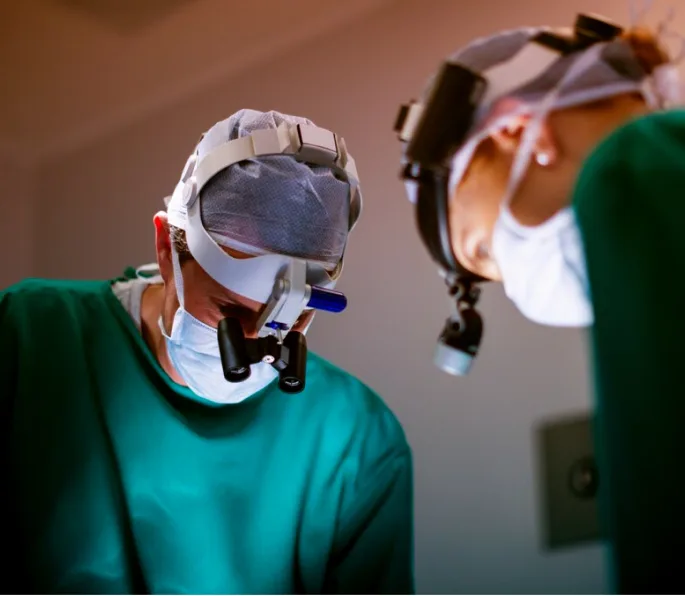
The retina is essential to your sight. Located at the back of your eye, it senses light and sends images to your brain, giving you the central vision needed for reading, driving, and everyday activities. Many conditions – from aging and injuries to diabetes or premature birth – can interfere with the retina’s ability to process light. At Bascom Palmer Eye Institute, part of the University of Miami Health System, our retina specialists have decades of experience diagnosing and treating retinal disorders.
Bascom Palmer’s Vitreoretinal Milestones
- Trained the first generation of vitreoretinal surgeons in the U.S.
- Invented surgical instruments and performed the first successful vitreous surgery.
- Established the clinical value of vitrectomy to treat retinal disorders.
- Pioneered treatments for retinopathy of prematurity and fluorescein angiography for retinal diagnostics.

What is Vitreoretinal Surgery?
Vitreoretinal surgery is an advanced procedure that addresses problems in the vitreous (the jelly-like substance filling your eye) and retina. This surgery can restore, preserve, or enhance vision by correcting issues caused by blood, scar tissue, or retinal tears.
Conditions Treated
- Diabetic retinopathy
- Floaters and flashes
- Macular degeneration and macular holes
- Retinal detachments or tears
- Retinitis pigmentosa
- Retinal vein occlusion
- Retinopathy of prematurity
- Retinoblastoma
Tests and Evaluation
Comprehensive Eye Exam
Your retina surgeon examines your eyes, using dilating drops and an ophthalmoscope to inspect the retina and other internal structures.
Optical Coherence Tomography (OCT)
This imaging test produces a detailed 3D view of your retina and vitreous to guide treatment planning.
Treatment: Vitreoretinal Surgery
- Surgery is performed under local or general anesthesia.
- Your surgeon makes three tiny incisions in the eye to insert miniature instruments and repair retinal or vitreous problems.
- Postoperative care includes antibiotic eye drops for one week and anti-inflammatory drops for several weeks.
- Recovery and vision improvement depend on your overall health and the complexity of the condition.
Why Choose Bascom Palmer Eye Institute?
Nation’s Eye Care Leader
- Ranked #1 in the U.S. for ophthalmology by U.S. News & World Report.
Distinguished Leaders
- Our internationally recognized physicians have revolutionized the diagnosis and treatment of retinal diseases.
Comprehensive Care
- Access to every ophthalmic sub-specialty under one roof for complete eye health management.
Cutting-edge Research
- Over 50 years of breakthroughs translate into the latest treatments and access to clinical trials.
State-of-the-art Surgical Suites
- Across our five centers, we perform 18,000 surgeries annually, with 24-hour emergency care and specialized staff trained in eye surgery.
FAQ
What eye conditions require vitreoretinal surgery?
How has vitreoretinal surgery advanced for better outcomes?
What occurs during a typical vitreoretinal procedure?
What post-op care ensures vitreoretinal success?
What vision expectations follow vitreoretinal surgery?
Our Doctors
No doctors available for this speciality.

Questions? We’re here to help.
Our appointment specialists are ready to help you find what you need. Contact us today.