Genetic Eye Disease Programme

Our Genetic Eye Disease Program specializes in the diagnosis, management, and treatment of inherited eye disorders that can affect vision from birth or progress over time.

Led by ophthalmologists with expertise in medical genetics, retinal diseases, and genetic counseling, we offer multidisciplinary care, including advanced genetic testing and access to emerging therapies, to support patients and families affected by these conditions. Inherited retinal diseases (IRDs) and other genetic eye disorders are caused by mutations in genes essential for eye function. While many are progressive and currently have no cure, accurate diagnosis through genetic testing can guide management, predict prognosis, and open doors to clinical trials or approved gene therapies.

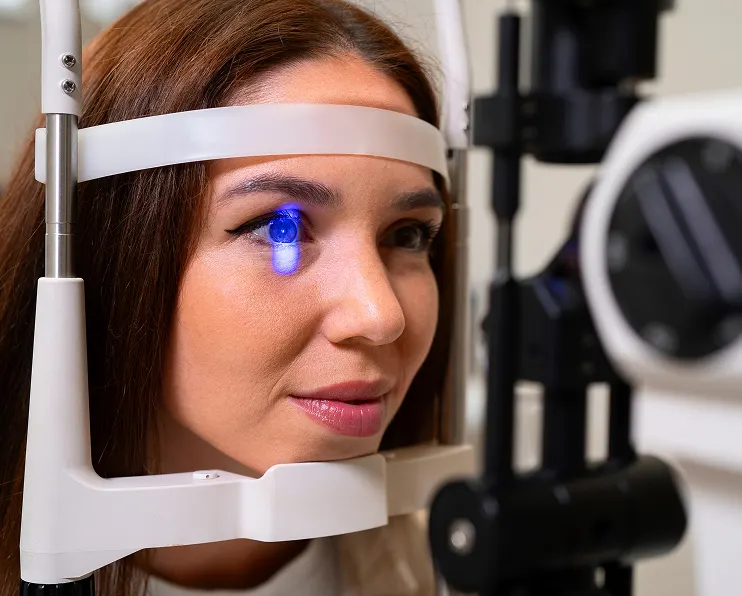
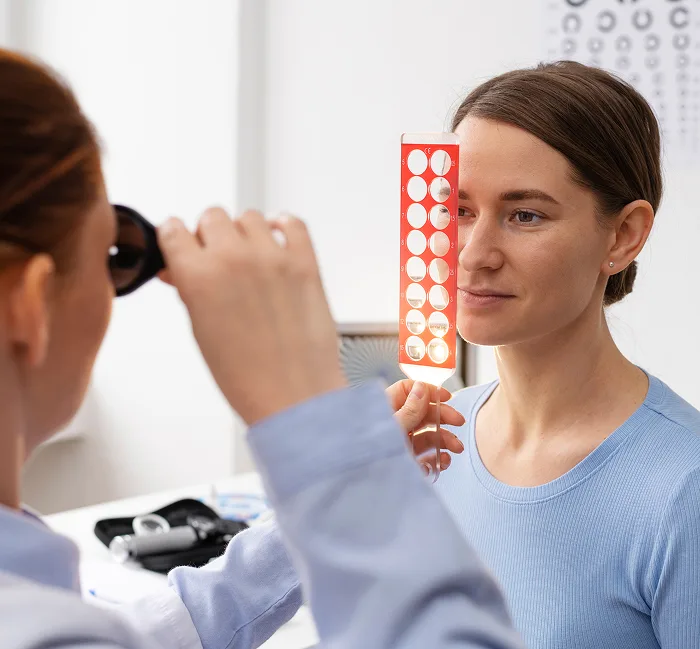
Early evaluation is key to preserving remaining vision and planning for the future. We employ state-of-the-art diagnostics, such as electroretinography (ERG), visual field testing, optical coherence tomography (OCT), fundus photography, and comprehensive genetic panels, to confirm diagnoses and monitor progression.

Common Conditions We Treat

Retinitis Pigmentosa (RP)

A group of disorders causing progressive night blindness, tunnel vision, and potential central vision loss due to photoreceptor degeneration.

Leber Congenital Amaurosis (LCA)

Severe vision impairment from infancy, often linked to RPE65 or other gene mutations.

Stargardt Disease

Juvenile macular degeneration leading to central vision loss.

Cone-Rod Dystrophies

Affecting color vision and central acuity before peripheral vision.

Achromatopsia

Complete or partial color blindness with light sensitivity and reduced acuity.

X-Linked Retinoschisis and Choroideremia

Conditions primarily affecting males, causing splitting of retinal layers or choroidal degeneration.

Other disorders

Best disease, Usher syndrome (with hearing loss), and familial exudative vitreoretinopathy.

Advanced Treatments and Technologies

Genetic Testing and Counseling
Comprehensive panels to identify mutations, with dedicated counselors to discuss implications, risks, and family planning.
Luxturna (voretigene neparvovec) for confirmed RPE65-related LCA or RP—the first FDA-approved gene therapy for an inherited disease.
Aids, devices, and training to maximize independence.
Vitamin A palmitate or other evidence-based options for select conditions.
Access to investigational gene therapies, stem cell approaches, and optogenetics.
Regular assessments to manage complications like cataracts or cystoid macular edema.

Symptoms to Watch For

Seek evaluation if you or a family member experience:

Family history of vision loss increases risk. Screening is recommended for at-risk individuals, even without symptoms. Our compassionate team provides ongoing support, connecting patients to resources and research opportunities. We collaborate with geneticists to offer holistic care. 

Questions? We’re here to help.

Our appointment specialists are ready to help you find what you need. Contact us today.