
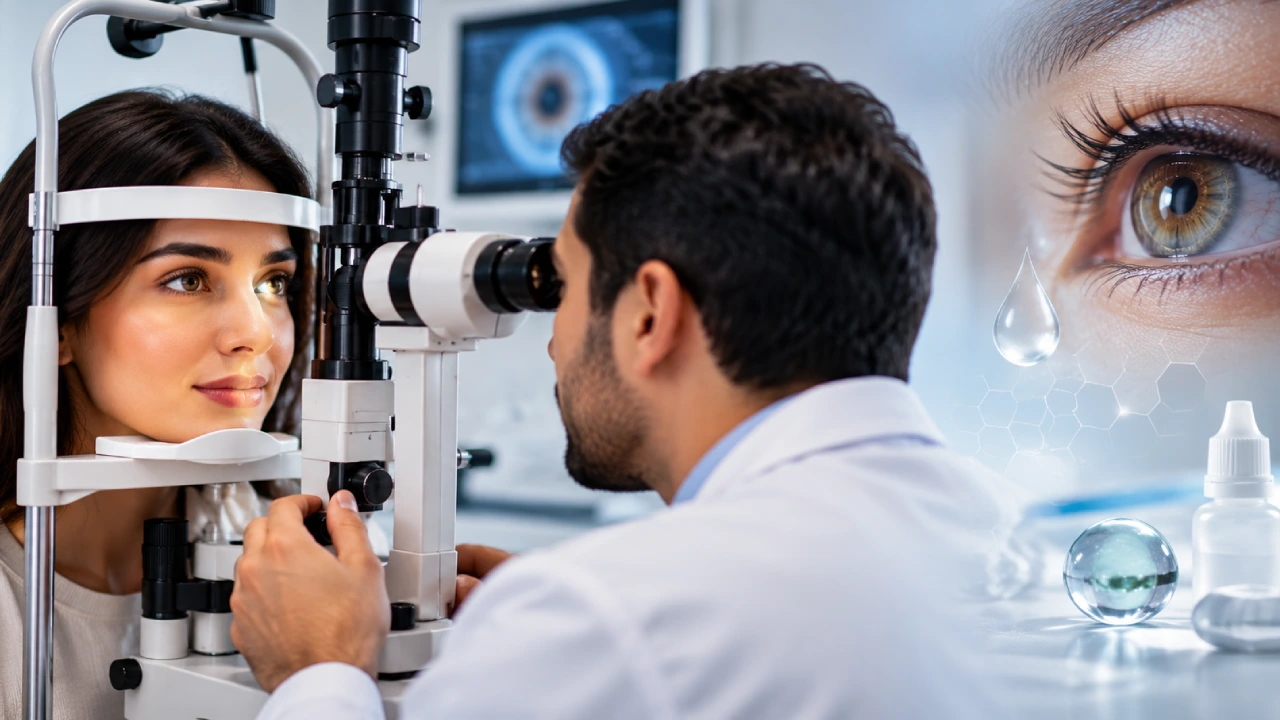
Dry eyes are among the most common reasons people visit an eye specialist. While occasional dryness can occur after a long day of screen use or exposure to air conditioning, persistent symptoms may indicate Dry Eye Syndrome, a condition that affects the quality and quantity of tears needed to keep the eyes comfortable and healthy.
In recent years, the demand for Dry Eye Syndrome treatment has increased significantly. Extended screen time, indoor environments with constant air conditioning, environmental pollutants, and aging populations have all contributed to the growing prevalence of dry eye conditions.
One of the most important things patients should understand is that there is no universal treatment for dry eyes. The most effective solution depends on identifying the underlying cause and severity of the condition. A thorough evaluation by an eye care professional helps determine the most suitable treatment plan for long-term relief and eye health.
What Causes Dry Eyes?
To understand the best treatment for dry eyes, it is important to understand how tears work. The tear film consists of three essential layers that protect and lubricate the eye. When one or more of these layers become unstable, dry eye symptoms can develop.
Meibomian Gland Dysfunction (MGD)
MGD is one of the leading causes of dry eyes. The meibomian glands produce the oily layer of tears that prevents rapid evaporation. When these glands become blocked or dysfunctional, tears evaporate too quickly.
Prolonged Screen Use
Digital devices reduce blink frequency. Less blinking means tears are not spread evenly across the eye surface, increasing dryness and irritation.
Aging and Hormonal Changes
As people age, natural tear production often decreases. Hormonal changes, especially in women, can also affect tear quality and quantity.
Environmental Factors
Exposure to air conditioning, dust, smoke, wind, and pollution can accelerate tear evaporation and worsen symptoms.
Post-Surgical Dryness
Procedures such as LASIK and other refractive surgeries may temporarily affect corneal nerves, leading to dryness during recovery.
Because multiple factors can contribute to the condition, identifying the root cause is critical for selecting the most effective Dry Eye Syndrome treatment.
Symptoms That Indicate You Need Treatment
Dry eye symptoms can range from mild irritation to significant visual discomfort. Common signs include:
- Burning or stinging sensations
- Persistent itching
- Eye redness
- Irritation and discomfort
- Blurred or fluctuating vision
- Increased sensitivity to light
- Excessive tearing as a response to irritation
- Feeling as though something is stuck in the eye
- Eye fatigue during reading or computer work
If these symptoms persist, professional evaluation is recommended to determine the most appropriate eye dryness treatment UAE patients can benefit from.
Doctor’s Approach to Diagnosing Dry Eyes
Successful treatment starts with an accurate diagnosis. Eye specialists use several diagnostic methods to evaluate tear quality and eye surface health.
Comprehensive Eye Examination
A complete examination helps identify signs of inflammation, eyelid abnormalities, and ocular surface damage.
Tear Film Analysis
Doctors assess tear production and tear stability using specialized tests. Tear break-up time testing measures how quickly tears evaporate after blinking.
Meibomian Gland Evaluation
Advanced imaging may be used to assess gland structure and function, particularly when MGD is suspected.
Personalized Treatment Planning
Every patient experiences dry eyes differently. Factors such as lifestyle, occupation, environment, and medical history help guide treatment recommendations.
A professional assessment at a specialized dry eye care clinic Abu Dhabi residents trust can help determine the most effective treatment pathway.
Best Treatments for Dry Eyes (Doctor’s Perspective)
Lubricating Eye Drops (First-Line Treatment)
Artificial tears are often the first recommendation for managing dry eye symptoms.
Role of Artificial Tears
Lubricating eye drops supplement natural tears and help maintain moisture on the eye surface. They provide immediate relief for many patients.
Preservative-Free vs Regular Drops
Preservative-free formulations are generally recommended for frequent use because they reduce the risk of irritation associated with long-term exposure to preservatives.
When to Use Them
Artificial tears may be used several times daily depending on symptom severity and physician recommendations. They remain one of the most common forms of treatment for dry eyes for mild cases.
Prescription Medications
When over-the-counter products are insufficient, prescription therapies may be recommended.
Anti-Inflammatory Eye Drops
Inflammation often plays a major role in dry eye disease. Certain prescription drops help reduce inflammation and improve tear film stability.
Medications That Increase Tear Production
Some treatments are designed to stimulate natural tear production and support healthier ocular surface function.
When Doctors Recommend Them
Prescription medications are typically used for moderate to severe cases where artificial tears alone do not provide adequate symptom control.
These treatments are often part of a comprehensive Dry Eye Syndrome treatment strategy tailored to individual needs.
Lifestyle and Home Remedies
Many patients benefit from simple lifestyle adjustments that support eye comfort and tear stability.
Follow the 20-20-20 Rule
Every 20 minutes, look at something 20 feet away for at least 20 seconds. This encourages blinking and reduces digital eye strain.
Stay Hydrated and Improve Nutrition
Adequate hydration supports overall tear production. Foods rich in Omega-3 fatty acids may contribute to healthier tear film function.
Use a Humidifier
Humidifiers help increase indoor moisture levels and reduce tear evaporation, especially in air-conditioned environments.
Warm Compresses and Eyelid Hygiene
Warm compresses can help improve meibomian gland function. Consistent eyelid hygiene supports healthier oil secretion and tear stability.
These strategies often complement medical Dry Eye Syndrome treatment plans.
Advanced In-Clinic Treatments
Patients with persistent or severe symptoms may benefit from advanced therapies performed by eye specialists.
Punctal Plugs
Punctal plugs are tiny devices inserted into tear drainage ducts to help retain moisture on the eye surface. They can provide long-lasting symptom relief for selected patients.
IPL Therapy for MGD
Intense Pulsed Light (IPL) therapy is increasingly used to manage meibomian gland dysfunction. It helps reduce inflammation and improve gland performance.
LipiFlow and Gland Expression Therapies
These procedures target blocked meibomian glands, helping restore healthy oil flow and improve tear film stability.
When Advanced Treatments Are Necessary
Advanced therapies are typically recommended when conventional measures fail to provide adequate relief. Patients seeking specialized eye dryness treatment UAE options often benefit from these technologies.
Which Treatment Is Best for You?
There is no single best treatment for dry eyes for every patient.
Mild Dry Eye
Patients with mild symptoms may respond well to artificial tears and lifestyle modifications.
Moderate Dry Eye
Prescription medications and targeted gland therapies may be necessary.
Severe Dry Eye
Advanced treatments such as punctal plugs, IPL therapy, or comprehensive combination therapies are often required.
The most effective approach usually combines multiple treatments customised to the patient’s unique eye condition. Regular follow-up visits allow doctors to monitor progress and adjust treatment plans as needed.
Patients searching for a dry eye clinic near me should prioritize clinics that offer comprehensive diagnostic and treatment options rather than relying solely on symptom-based solutions.
What Happens If Dry Eyes Are Left Untreated?
Ignoring dry eye symptoms can lead to more than temporary discomfort.
Potential complications include:
- Chronic irritation and inflammation
- Increased risk of eye infections
- Damage to the corneal surface
- Difficulty performing daily activities
- Reduced visual comfort
- Lower overall quality of life
Early intervention and proper Dry Eye Syndrome treatment can help prevent these complications and preserve long-term eye health.
Tips to Prevent Dry Eyes
While not all cases can be prevented, several habits can reduce risk and improve comfort.
Reduce Screen Strain
Take regular breaks and consciously blink more often during computer use.
Maintain Proper Eye Hygiene
Clean eyelids regularly and follow recommended eye care practices.
Stay Hydrated
Adequate fluid intake supports healthy tear production.
Protect Your Eyes
Wear sunglasses or protective eyewear in dusty, windy, or harsh environments to reduce tear evaporation.
Preventive strategies can complement ongoing treatment for dry eyes and help maintain long-term comfort.
When Should You See an Eye Specialist?
Schedule an eye examination if you experience:
- Persistent dryness despite using eye drops
- Severe discomfort or pain
- Changes in vision
- Symptoms following eye surgery
- Recurring irritation or redness
- Frequent dependence on artificial tears
A comprehensive evaluation can identify underlying causes and determine the most appropriate eye dryness treatment UAE patients require.
Conclusion
When patients ask about the best treatment for dry eyes, the answer is rarely the same for everyone. Effective care depends on understanding the underlying cause, symptom severity, and individual lifestyle factors.
Early diagnosis and personalized management are essential for achieving long-term relief and maintaining eye health. Whether symptoms are mild or severe, seeking professional evaluation can help identify the most suitable treatment options and prevent future complications.
For expert diagnosis, advanced treatment options, and personalized care, consider scheduling an appointment with Bascom Palmer Eye Institute Abu Dhabi, where experienced specialists provide comprehensive dry eye evaluations and tailored treatment plans.
Frequently Asked Questions
What is the fastest way to relieve dry eyes?
The fastest way to relieve dry eyes is usually through lubricating artificial tears, particularly preservative-free formulations recommended by an eye specialist. These drops help restore moisture to the eye surface and reduce discomfort quickly. For individuals experiencing dryness due to prolonged screen use or environmental factors, taking breaks, blinking frequently, and using a humidifier may also provide rapid relief. However, long-term improvement depends on identifying and treating the underlying cause of the condition.
Can dry eyes be cured permanently?
Dry eyes are often a chronic condition that requires ongoing management rather than a permanent cure. Some patients experience significant improvement when the underlying cause is treated, such as meibomian gland dysfunction or environmental triggers. Others may require continuous care through lubricating drops, lifestyle adjustments, or advanced treatments. A personalized treatment plan developed by an eye specialist offers the best opportunity for long-term symptom control and improved quality of life.
Are artificial tears safe for daily use?
Artificial tears are generally safe for daily use and are commonly recommended as a first-line Dry Eye Syndrome treatment. Many patients use them regularly to maintain comfort and support tear film stability. Preservative-free formulations are often preferred for frequent or long-term use because they reduce the risk of irritation. The appropriate type and frequency of use depend on symptom severity, so it is advisable to follow the guidance of an eye care professional.
How long does dry eye treatment take to work?
The timeline for improvement varies depending on the treatment method and the severity of the condition. Artificial tears may provide relief within minutes, while prescription medications often require several weeks before noticeable benefits occur. Advanced therapies such as IPL or gland expression treatments may produce gradual improvement over multiple sessions. Consistent follow-up appointments help ensure treatment effectiveness and allow adjustments based on the patient’s response and symptom progression.
Is IPL therapy safe for dry eyes?
IPL therapy is considered a safe and effective treatment option for many patients with dry eyes related to meibomian gland dysfunction. The procedure uses controlled pulses of light to reduce inflammation and improve gland function, helping stabilize the tear film. Treatment is performed by trained professionals and is typically well tolerated. Most patients experience minimal downtime, although suitability depends on individual eye health, skin type, and overall clinical assessment by an eye specialist.